John Skene

Definition and stakes

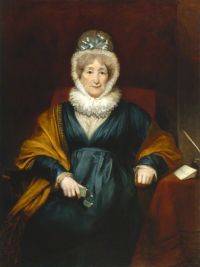
Portrait of Leslie Stephen Leslie Stephen,  Dictionary of National Biography… (1897)

“ According to Spotiswood, so deeply did Sir John Skene take the disappointment to heart that, although the king did his best to satisfy him, and succeeded in reconciling him and his son, ‘so exceeding was the old man's discontent, as within a few days he deceased’ (History in the Spottiswood Society, iii. 215) . The latter statement is, however, quite incorrect, for Skene survived the disappointment for several years. He did not retire from the privy council until 18 June 1616, when his son was admitted in his room (Reg. P. C. Scotl. x. 540) . ”
Source: Wikisource

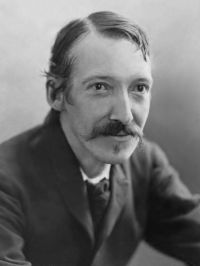
Portrait of W. F. Skene W. F. Skene,  Celtic Scotland

“ Sir John Skene, however, attaches the third privilege to the Croce of the Clan Macduff which divides Stratherne from Fife, as a privilege and liberty of girth in such sort that when any manslayer, being within the ninth degree of kin and blood to Macduff, sometime earl of Fife, came to that cross and gave nine cows and a colpindach, or year-old cow, he was free of the slaughter committed by him, and quotes a charter by David the Second to William Ramsay of the earldom of Fife, with the law called Clan Macduff. ”
Source: Gutenberg

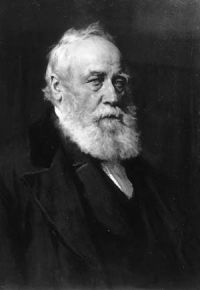
Portrait of Leslie Stephen Leslie Stephen,  Dictionary of National Biography… (1897)

“ SKENE, Sir JOHN (1543?–1617) , of Curriehill, clerk-register and lord of session, under the title of Lord Curriehill, was the sixth son of James Skene of Watercorse and Rainnie, Aberdeenshire, by his wife Janet Lumsden, daughter of Lumsden of Cushnie. According to tradition, the progenitor of the Skenes was a younger son of Robertson of Struan, who for saving the life of Malcolm I when attacked by a wolf received from him the lands of Skene, Aberdeenshire. ”
Source: Wikisource

Get perspective with Kwize: daily news enlightened by great literature