Kano school

Definition and stakes

Captain F. Brinkley,  Japan: Its History, Arts, and Literature (1902)

“ Even the great founders of the Kano school, men whose works support comparison with the masterpieces of Chinese genius, had no fear of degrading their art or alienating aristocratic patronage when they depicted episodes from the kitchen, the stable, the farmyard, and the workshop. The truth is, that in the rise and development of the Popular school must be traced, not a new artistic departure, but simply a reflection of the changes which the civilisation of the era was undergoing. ”
Source: Wikisource

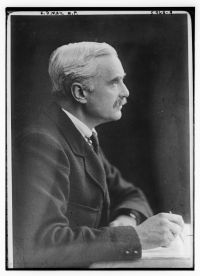
Portrait of E. D. Morel E. D. Morel,  Nigeria (1912)

“ It is at Nassarawa, a beautifully situated and healthy spot a few miles outside Kano, close by the Emir’s country residence, that the first Government schools have been started. They consist at present of the Mallamai school, or school for teachers, a school for the sons of Chiefs, an elementary vernacular school and a technical school with carpenters’, blacksmiths’, leather-workers’, and agricultural classes. The creation of a primary and secondary school will follow as soon as the work is sufficiently advanced. ”
Source: Gutenberg

Dora Amsden,  Impressions of Ukiyo-ye, the school of the Japanese colour-print artists (1905)

“ The two great schools, Tosa and Kano, flourished independently until the middle of the eighteenth century, when the genius of the popular artists, forming the school of Ukiyo-ye, gradually fused the traditions of Tosa and Kano, absorbing the methods of these rival schools,—which, differing in technique and motive, were united in their proud disdain of the new art which dared to represent the manners and customs of the common people. ”
Source: Gutenberg

Get perspective with Kwize: daily news enlightened by great literature