King Frederick William I of Prussia

Definition and stakes

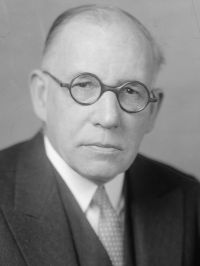
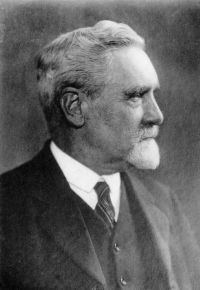
Portrait of William Fiddian Reddaway William Fiddian Reddaway Frederick the Great and the Rise of Prussia

THE RISE OF PRUSSIA The first task of the student of Frederick’s life-story is to rid himself of the idea that the solitary King was either wholly original or wholly free. To seize Silesia, to quarter Poland, to rival Austria, to humble France, each was no doubt a feat which no Prussian ruler before him had dared to attempt. Yet in each of these, as will presently be shown, the hand of the living was at once nerved and guided by the dead.
Source: Gutenberg

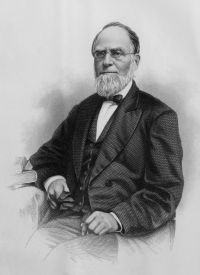
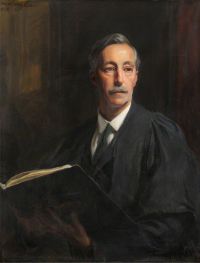
Portrait of John S. C. Abbott John S. C. Abbott History of Frederick the Second…

War would thin his regiments, soil his uniforms, destroy his materiel. He hated war. But his army caused Prussia to be respected. If needful, he could throw one hundred thousand of the best drilled and best furnished troops in Europe, like a thunderbolt, upon any point. Unprincipled monarchs would think twice before they would encroach upon a man thus armed.
There was but one short war in which Frederick William engaged during his reign of twenty-seven years. That was with Charles XII. of Sweden. It lasted but a few months, and from it the Prussian king returned victorious.
Source: Gutenberg

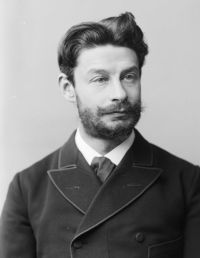
L. Mühlbach Napoleon and the Queen of Prussia

On the day when I read those calumnies which he contrived to have printed about me—on that day I felt a pang in my heart as if a dagger had been plunged into it! Ah, would I could die this hour, before sinking into this new humiliation! Ah, my soul is willing to bow to the great, the beautiful, the sublime—but not to him—not to that proud man who is trampling mankind in the dust; who has rendered King Frederick William so wretched, robbing him of his states and of his majesty, slandering his queen, and oppressing his people.
Source: Gutenberg

Get perspective with Kwize: daily news enlightened by great literature