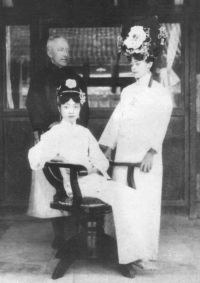
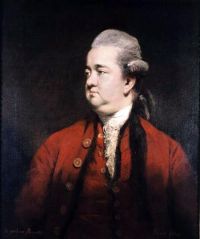
King of China

Definition and stakes

Juan González de Mendoza The History of the Great and Mighty Kingdom of China and the Situation Thereof…

The power of China rests rather upon the great number of towns and the multitude of inhabitants, than upon the valour of the people. There are more than sixty millions of rated persons inscribed on the royal registers, exclusive of the public functionaries and those people who are too poor to pay taxes. All the neighbouring kingdoms pay tribute to the King of China, excepting Japan, which has freed itself recently; it is on this account that the Chinese are accustomed to consider their country as the centre of the world, and to despise all other nations.
Source: Gutenberg

Edward Harper Parker Ancient China Simplified

It was undoubtedly the practice of semi- Chinese states, such as Ts'u, Wu, Yueh, and Shuh (the last is the modern Sz Ch'wan province, and its history was only discovered long after Confucius' time) , to call themselves "Kings," "Emperors," and "Sons of Heaven," in their own country (just as the tributary King of Annam always did until the French assumed a protectorate over him; and just as the tributary Japanese did before they officially announced the fact to China in the seventh century A.D.)
Source: Gutenberg

W. A. P. Martin The Awakening of China

When the little king deserved chastisement, the guardian always called up his own son, Pechin, and thrashed him soundly. One pities the poor fellow who was the innocent substitute more than one admires the scrupulous and severe regent. The Chinese have a proverb which runs, "Whip an ass and let a horse see it."
Source: Gutenberg

Get perspective with Kwize: daily news enlightened by great literature