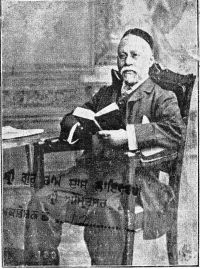
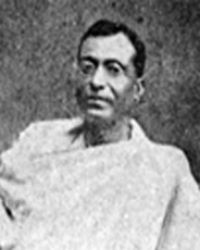
Mahar

Definition and stakes

R. V. Russell,  The Tribes and Castes of the Central Provinces of India…

“ The social position of the Mahārs is one of distressing degradation. Their touch is considered to defile and they live in a quarter by themselves outside the village. They usually have a separate well assigned to them from which to draw water, and if the village has only one well the Mahārs and Hindus take water from different sides of it. Mahār boys were not until recently allowed to attend school with Hindu boys, and when they could not be refused admission to Government schools, they were allotted a small corner of the veranda and separately taught. ”
Source: Gutenberg

Sir Valentine Chirol,  India, Old and New

“ Go into a village which is partially inhabited by these unfortunate people, mostly called Mahars in that part of India, and you will find that they are forbidden even to draw water from any but their own wells, as by drawing it from wells used by caste Hindus they would render them impure. In the larger urban schools under Government control British laws, which recognise no caste distinctions, enforce the admission of Mahar boys, some of whom do extremely well. ”
Source: Gutenberg

R. V. Russell,  The Tribes and Castes of the Central Provinces of India…

“ If there is only one well in the village he may not use it, but has to get his water where he can. His sons are consigned to a corner in the village school, and [146] the schoolmaster, if not superior to caste prejudices, discourages their attendance. Nevertheless, Mahārs will not remain for years downtrodden in this fashion, and are already pushing themselves up from this state of degradation. In some places they have combined to dig wells, and in Nāgpur have opened a school for members of their own community. Occasionally a Mahār is the most prosperous man in the village. ”
Source: Gutenberg

Get perspective with Kwize: daily news enlightened by great literature