Manannán mac Lir

Definition and stakes

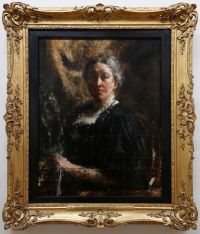
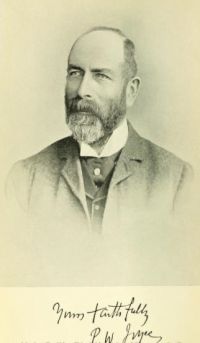
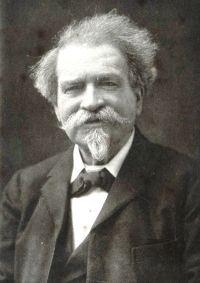
Portrait of John Rhŷs John Rhŷs,  Lectures on the Origin and Growth of Religion As Illustrated by Celtic Heathendom (1888)

“ Now Fand had been married to the great sea-god Manannán mac Lir at the Dun of the Estuary, and the wooing of Cúchulainn by her is the sparkling of the pellucid drop in the sun's rays when he has reached the dark places of the earth; but that was to last only for a time, and Fand returns to her former love; that is to say, the crystal drop is finally carried back to the ocean. These pretty myth-pictures may date from almost any age in the history of an imaginative race ”
Source: Wikisource

J. A. MacCulloch,  The Religion of the Ancient Celts

“ The greatness of Manannan mac Lir, "son of the sea," is proved by the fact that he appears in many of the heroic tales, and is still remembered in tradition and folk-tale. He is a sea-god who has become more prominent than the older god of the sea, and though not a supreme god, he must have had a far-spreading cult. With Bodb Dearg he was elected king of the Tuatha Dé Danann. He made the gods invisible and immortal, gave them magical food, and assisted Oengus in {87} driving out Elemar from his síd. ”
Source: Gutenberg

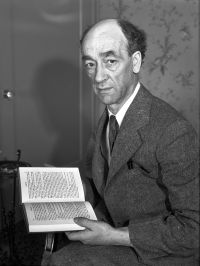
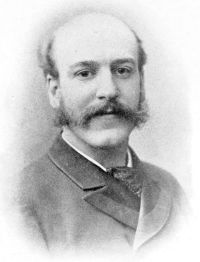
Portrait of Alfred Trübner Nutt Alfred Trübner Nutt,  Studies on the Legend of the Holy Grail

“ Bran set sail, and with him thirty men. After two days’ wandering they met Manannan Mac Lir. They continued their journey until they came to an island dwelt in solely by women; their queen it was who had sent for Bran. He stayed with her a while, and then came back to Ireland.
But the most famous of the visits to the Brug of Manannan is that of Cormac Mac Art, whom the Irish legendary annals place in the third century of our era, and bring into connection with Fionn.
”
Source: Gutenberg

Get perspective with Kwize: daily news enlightened by great literature