Maratha Empire

Definition and stakes

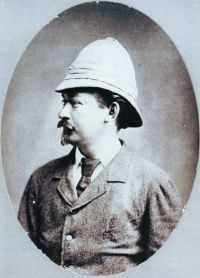
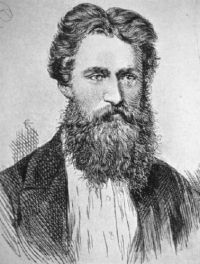
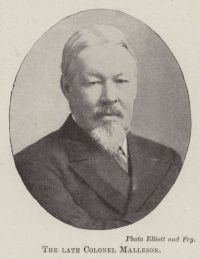
Portrait of George Bruce Malleson George Bruce Malleson,  The Indian Mutiny of 1857 (1901)

“ The nobles and landowners of the districts known as the Southern Maráthá country, comprising the territories of Belgáon, Jamkhandí, Kolápur, Míráj, Múdhal, Dhárwár, Sanglí, and Satárah had been alienated by the action of the Inám Commission — a commission instituted to search out titles to property obtained during the decadence of the Mughal Empire. ”
Source: Wikisource

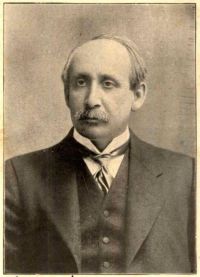
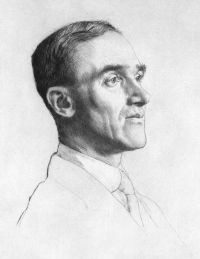
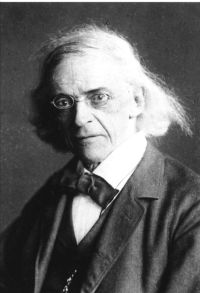
Portrait of Charles Eliot Charles Eliot,  Hinduism and Buddhism, An Historical Sketch…

“ After half a century the power of his successors passed into the hands of their Brahman ministers, known as Peshwas, who became the heads of a confederacy of Maratha chiefs, including the Rajas of Gwalior, Berar and Orissa, Indore and Baroda. About 1760 the Marathas were practically masters of India and though the Mughal Emperor nominally ruled at Delhi, he was under their tutelage. ”
Source: Gutenberg

Sir W. H. Sleeman,  Rambles and Recollections of an Indian Official

“ The appearance of those parts of the Marāthā dominion so governed is infinitely superior to that of the countries governed by the leaders of the military class, such as Sindhia, Holkār, and the Bhonslā, whose capitals are still mere standing camps—a collection of hovels, and whose countries are almost entirely devoid of all those works of ornament and utility that enrich and adorn those of their neighbours. [20] They destroyed all they found in those countries when they conquered them; and they have had neither the wisdom nor the taste to raise others to supply their places. ”
Source: Gutenberg

Get perspective with Kwize: daily news enlightened by great literature