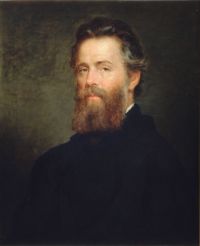
“ It’s a settled thing; next week we shape our course to the Marquesas!” The Marquesas! What strange visions of outlandish things does the very name spirit up! Lovely houris—cannibal banquets—groves of cocoa-nuts—coral reefs—tattooed chiefs—and bamboo temples; sunny valleys planted with bread-fruit trees—carved canoes dancing on the flashing blue waters—savage woodlands guarded by horrible idols—heathenish rites and human sacrifices. ”
Marquesas
Definition and stakes
The Marquesas, a Polynesian archipelago, have long fascinated writers through their exoticism and cultural contrasts. Herman Melville evokes their allure with vivid imagery of “cannibal banquets” and “tattooed chiefs,” while Frederick O’Brien portrays the islands’ inhabitants as passionate, unguarded figures.
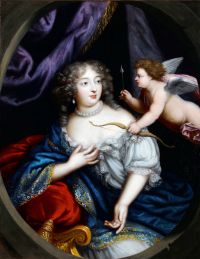
Madame de Montespan, by contrast, situates the term within European aristocratic contexts, highlighting status and honor. From romanticized landscapes to social dynamics, authors like Schiller, Dumas, and Melville incorporate the Marquesas into narratives that connect Polynesian traditions with Western imagination, reflecting both fascination and a colonial perspective.
Quotes about “Marquesas”
 Frederick O'Brien,
White Shadows in the South Seas
Frederick O'Brien,
White Shadows in the South Seas
“ They are not the cold, chaste women of other climes, these women of the Marquesas; with blood at fever heat and hearts beating like wild things against bars, they listen when love or its counterfeit pours into their ears those soft words with nothing in them that make a song. They have no barriers of reserve or haughtiness; they make no bargains; they go where the heart goes, careless of certified vows.“Mon dieu!” Mademoiselle N—— exclaimed and put her tiny hand to her red lips. “What if the good sisters heard me? I am bad. I know. Eh bien! I am Marquesan after all.” ”
Frederick O'Brien,
Atolls of the Sun
“ The American sea-fighter, Captain David Porter, who ran up the Stars and Stripes in the breadfruit groves of these islands, said:The men of the Marquesas are remarkably handsome, of large stature and well-proportioned; they possess every variety of countenance and feature, and a great difference is observable in the color of the skin, which for the most part is of a copper color. But some are as fair as the generality of working people much exposed to the sun of a warm climate. ”