Middle Welsh

Definition and stakes

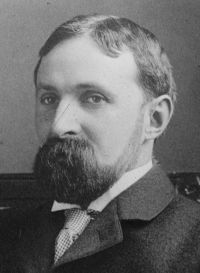
Portrait of Sir Owen Morgan Edwards Sir Owen Morgan Edwards,  A Short History of Wales (1906)

“ Next to its unity, a characteristic of modern Wales is its democratic feeling. It is a country with a thoughtful and intelligent peasantry, and it is a country without a middle class. There is a very small upper class—the old Welsh land-owning families who once, before they turned their backs on Welsh literature, led the country. They have never been hated or despised, they are simply ignored. Their tendency now is to come into touch with the people, and they are always welcomed. ”
Source: Wikisource

W. Watkin Davies,  Wales (1925)

“ The multiplication of small States is now, no doubt, an evil; but the same cannot be said with confidence about the Middle Ages. The {99} assertion of writers, unable themselves to read a line of Welsh, that the culture of England in the latter half of the thirteenth century was superior to that of Wales is certainly untrue. Indeed the direct contrary is the fact. Welsh literature, both prose and poetry, was far ahead of that of England; and the Welsh language had attained a decidedly higher stage of development. ”
Source: Gutenberg

A. G. Bradley,  Owen Glyndwr and the Last Struggle for Welsh Independence

“ As regards the Crusades the Welsh in the Middle Ages do not seem to have been great rovers or much given to doing business on great waters; [Pg 49] always, of course, excepting Madoc ap Owen Gwynedd, the discoverer of America!
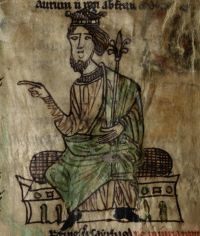
Giraldus on the Welsh people.
“These people,” says Giraldus, alluding to the Welsh, “are light and active, hardy rather than strong, and entirely bred up to the use of arms; for not only the nobles, but all the people are trained to war, and when the trumpet sounds the husbandman rushes as eagerly from his plough as the courtier from his Court.
”
Source: Gutenberg

Get perspective with Kwize: daily news enlightened by great literature