Moki

Definition and stakes

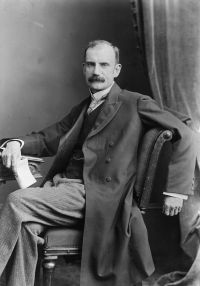
Portrait of Walter Hough Walter Hough,  The Moki snake dance (1900)

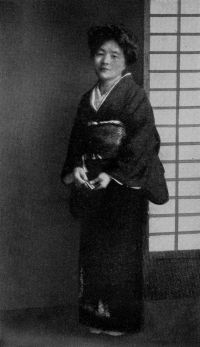
“ Nampeo, at Hano, is the best potter in all Moki-land.
Of course little figures have to be carved from cottonwood, painted and garnished to resemble the numerous divinities of the Mokis who take part in the ceremonies. Men and women make them for their children, who thus get kindergarten instruction on the appearance of the inhabitants of the spiritual world. These "dolls" can often be bought; they are among the most curious souvenirs of the Moki. The weaver, too, spends his odd times in weaving the far-famed blankets of wool, dyed blue with sunflower seeds.
”
Source: Wikisource

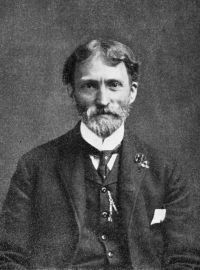
Portrait of Walter Hough Walter Hough,  The Moki snake dance (1900)

“ SNAKE KIVA, ORAIBI.
A shrill whistle denotes that some Moki is the fortunate possessor of an eagle to supply him with the prized feathers for ceremonials. The man who is opulent enough to keep a turkey also has feathers for the gathering. Women go about on various errands or pay visits in which gossip bears a large share. Many a pair of dark eyes peep out from the light-hole in the walls of the houses, or a maiden with hair done up in whorls takes a modest glance at the strangers.
”
Source: Wikisource

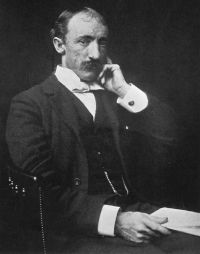
Portrait of Walter Hough Walter Hough,  The Moki snake dance (1900)

“ The weird, high-pitched songs of the corn grinders, and the rumble of the mealing-stones, are familiar sounds in a Moki village. If you see a woman or maiden with face powdered with corn flour, it means that she has been busy grinding in the hopper-like mills sunken in the floor of every house,—and very hard labor it is. Most of the able-bodied men are in the fields if the time is summer, that is if no ceremony is going on—a rare contingency. Moki men are not afraid of work. ”
Source: Wikisource

Get perspective with Kwize: daily news enlightened by great literature