Mongolian people

Definition and stakes

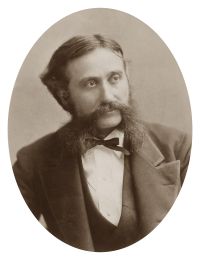
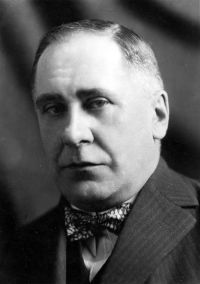
Portrait of H. G. Wells H. G. Wells,  The Outline of History: Being a Plain History of Life and Mankind

“ By the first century A.D. nomadic Mongolian peoples are in evidence upon the eastern boundaries of Europe, already greatly mixed with Aryan nomads and with uprooted Aryan elements from the Caspian-Pamir region. There are Hunnish peoples established between the Caspian Sea and the Urals. West of them were the Alans, probably also a Mongolian people with Aryan elements ”
Source: Gutenberg

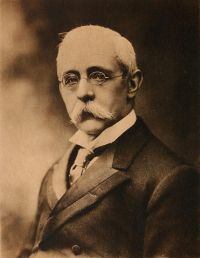
W. Scott-Elliot,  The Story of Atlantis and the Lost Lemuria

“ The Mongolian people were an improvement on their immediate ancestors of the brutal Turanian stock. Born as they were on the wide steppes of Eastern Siberia, they never had any touch with the mother-continent, and owing, doubtless, to their environment, they became a nomadic people. More psychic and more religious than the Turanians from whom they sprang, the form of government towards which they gravitated required a suzerain in the background who should be supreme both as a territorial ruler and as a chief high priest.
Emigrations.—Three causes contributed to produce emigrations.
”
Source: Gutenberg

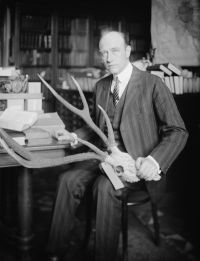
Elizabeth Kimball Kendall,  A Wayfarer in China

“ There is almost nothing of Mongolian manufacture,—just rugs and felt and saddles; and most of the work is done by the women. Nor does the Mongol till the soil; nothing is found growing near his yurt. Unlike the rice-eating people just across the Great Wall, his diet is almost wholly meat, and milk in some form or other,—cheese, curds, koumiss. The tea which he drinks in enormous quantities, so that even my "boy" opened his eyes, is brought by the Chinese traders.
The Mongol has great endurance; days in the saddle are nothing to him, and he sleeps as soundly on his camel as on the ground.
”
Source: Gutenberg

Get perspective with Kwize: daily news enlightened by great literature