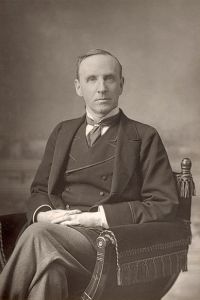
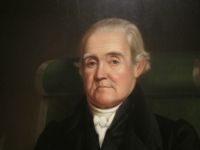
Nationalism, the ideology centered on the belief in a nation’s inherent right to self-determination and cultural independence, has been examined by various thinkers through historical, political, and philosophical perspectives. From Noah Webster’s promotion of a “national language” to Bertrand Russell’s analysis of nationalism as a doctrine uniting “natural groups,” authors have wrestled with its consequences.
Theodore Roosevelt viewed it as a priority of national needs over regional concerns, while H.G. Wells criticized its potential to divide global relations. Works such as John Morley’s reflections on nationalist-tory dynamics and quotes from Irish contexts illustrate its contested role in governance and identity. These viewpoints collectively highlight nationalism’s dual nature—as both a unifying force and a source of conflict—shaping societies through competing visions of sovereignty and belonging.
 James Jeffrey Roche,
Life of John Boyle O'Reilly
(1891)
James Jeffrey Roche,
Life of John Boyle O'Reilly
(1891)