Old Kingdom of Egypt

Definition and stakes

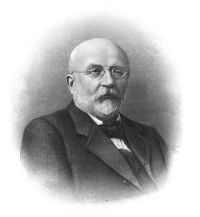
Portrait of A. H. Sayce A. H. Sayce Fresh Light from the Ancient Monuments

When Abraham went down into Egypt the empire was already very old. Its history begins with Menes, who united the independent states of the Nile valley into a single kingdom, and established his capital at Memphis. The first six dynasties of kings, who reigned 1,478 years, represent what is called the Old Empire. It was under the monarchs of the fourth dynasty that the pyramids of Gizeh were built; and at no time during its later history did the art and culture of Egypt reach again so high a level as it did under the Old Empire.
Source: Gutenberg

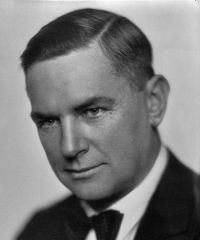
Edwyn Robert Bevan The House of Ptolemy — Chapter I: Alexander the Great (1927)

They were coming to Egypt to bring Egypt under a rule stronger and more durable than that of the Persians. After former invasions of foreign people, Hyksos and others, Egypt had again always in the end recovered its freedom and set up new dynasties of native Pharaohs, carrying on the immemorially old national tradition in government and culture and language; but now there would never again, to the end of time, be a Pharaoh of native blood ruling beside the Nile.
Source: Wikisource

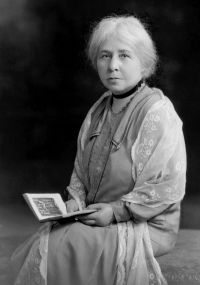
Portrait of Gaston Maspero Gaston Maspero The Great Events by Famous Historians… (1905)

The belief of the ancient Egyptian was that so long as his body remained intact so was his immortality; whence arose the embalming of the great, and hence the immense structures of stone to secure the inviolability of the entombed monarch. The monuments have as yet yielded no account of the events which tended to unite Egypt under the rule of one man; we can only surmise that the feudal principalities had gradually been drawn together into two groups, each of which formed a separate kingdom.
Source: Wikisource

Get perspective with Kwize: daily news enlightened by great literature