Papias of Hierapolis

Definition and stakes

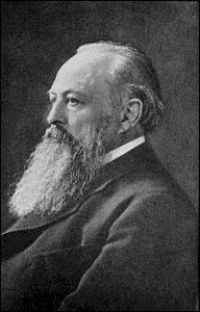
Portrait of J. B. Lightfoot J. B. Lightfoot Essays on the work entitled "Supernatural Religion"

V. PAPIAS OF HIERAPOLIS. [AUGUST, 1875.] Two names stand out prominently in the Churches of proconsular Asia during the age immediately succeeding the Apostles—Polycarp of Smyrna, and Papias of Hierapolis. Having given an account of Polycarp in my last article, I purpose now to examine the notices relating to Papias. These two fathers are closely connected together in the earliest tradition. Papias, writes Irenæus, was 'a hearer of John and a companion of Polycarp.' [142:1] On the latter point we may frankly accept the evidence of Irenæus.
Source: Gutenberg

Papias, translated by Alexander Roberts and James Donaldson Ante-Nicene Christian Library/Volume I (1865)

It may also be worth while to add to the statements of Papias already given, other passages of his in which he relates some miraculous deeds, stating that he acquired the knowledge of them from tradition. The residence of the Apostle Philip with his daughters in Hierapolis has been mentioned above. We must now point out how Papias, who lived at the same time, relates that he had received a wonderful narrative from the daughters of Philip. For he relates that a dead man was raised to life in his day.
Source: Wikisource

Charles R. Morrison The Proofs of Christ's Resurrection…

Papias was bishop of Hierapolis, in Phrygia, in the first part of the second century of the Christian era. Though of moderate capacity, and entertaining extravagant ideas of the millennium, he was entirely honest, and there is no reason to question his testimony as to what he was told in respect to Matthew and Mark. He suffered martyrdom about A.D. 163. From fragments of his writings found in Eusebius and in the works of Irenæus, it appears that “John the Presbyter” gave him information in respect to the First and Second Gospels.
Source: Gutenberg

Get perspective with Kwize: daily news enlightened by great literature