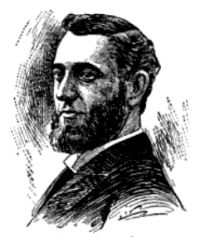
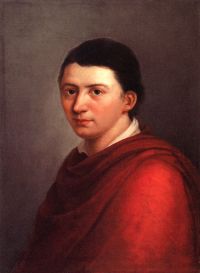
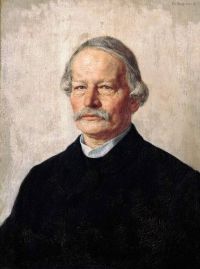
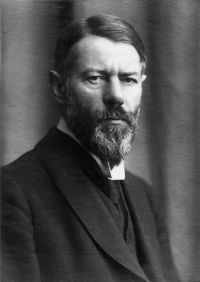
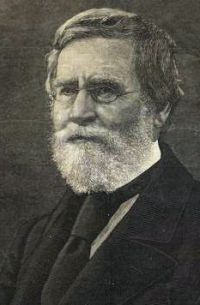
Pietism, a 17th- to 18th-century Protestant movement, emphasized personal devotion, moral self-examination, and spiritual rejuvenation over institutional doctrine. Authors such as Karl Rosenkranz contrasted it with Jesuitism, portraying it as a movement that prioritized individual shortcomings over systemic change, while Friedrich von Schlegel observed its diverse blending of religious concepts, often resulting in "wild and fanciful abortions.
" Max Weber pointed out its emotional, more flexible asceticism compared to Calvinism, and J. F. Hurst recognized its lasting impact on German evangelical communities despite criticisms of its subjectivism. These viewpoints collectively highlight Pietism’s complex legacy: a source of spiritual passion and cultural reflection, yet one that fluctuated between moral strictness and theological uncertainty, leaving lasting imprints on Protestant thought and societal values.
 Karl Rosenkranz,
Pedagogics as a System
Karl Rosenkranz,
Pedagogics as a System