Polish language

Definition and stakes

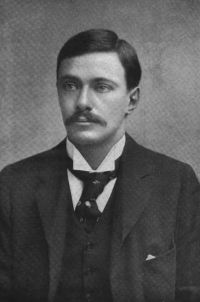
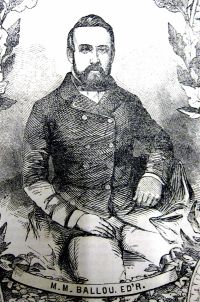
Portrait of Maturin M. Ballou Maturin M. Ballou,  Due North; or, Glimpses of Scandinavia and Russia

“ The Polish language as spoken by the people of Warsaw is indeed a puzzle to a stranger, being a sort of Slavic-Indo-European tongue. When Poland enjoyed a distinctive nationality, no less than six different dialects were spoken in the several provinces of the kingdom. There is so much similarity, however, between the Polish language proper and the Russian tongue that the people of the two nationalities easily understand each other, and on the borders there is a singular conglomerate of the two tongues spoken by the peasantry. ”
Source: Gutenberg

Nevill Forbes,  The Position of the Slavonic Languages at the present day (1910)

“ The fortunes of the Polish language have been very different in each of the three empires under whose political control the Polish nation passed when it was arbitrarily trisected at the tragic culmination of its history as an independent state in the eighteenth century. They have been darkest in Prussia, where the policy of exterminating the Polish nationality has been consistently applied by an incorruptible bureaucracy. ”
Source: Wikisource

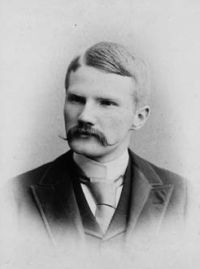
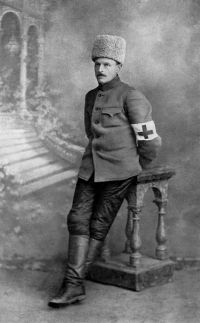
Portrait of Rufin Piotrowski Rufin Piotrowski,  The Story of a Siberian Exile; Followed by a Narrative of Recent Events in Poland (1863)

“ Then Poland, during the last hundred years, has had a legion of poets, all singularly gifted and inspired, and she still possesses a flourishing and varied literature; for her language has remained, although she has not had the freedom of her schools. Is the love of the past and its traditions required? Then that feeling has been both evident and rampant for the last year. Must there be originality of life and manners? Polish manners have preserved all the savour of their nationality, and, most assuredly, have not been influenced by Russia. ”
Source: Gutenberg

Get perspective with Kwize: daily news enlightened by great literature