Pope Boniface VIII

Definition and stakes

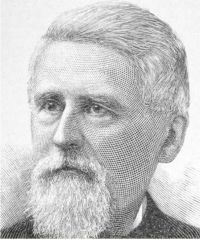
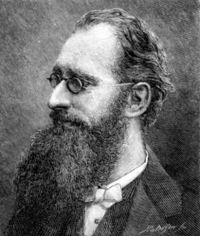
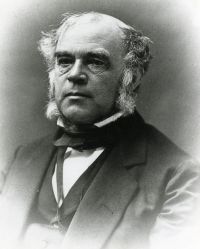
Portrait of John William Draper John William Draper,  History of the Intellectual Development of Europe…

“ Boniface VIII. elected pope.So Benedetto Gaetani, whether by such wily procurements or not, became Pope Boniface VIII., A.D. 1294. His election was probably due to King Charles, who held twelve electoral votes, the bitter personal animosity of the Colonnas having been either neutralized or overcome. The first care of Boniface was to consolidate his power and relieve himself of a rival. In the opinion of many it was not possible for a pope to abdicate. ”
Source: Gutenberg

1911 Encyclopædia Britannica (1910)

“ Benedict XI. (Niccolo Boccasini) , pope from 1303 to 1304, the son of a notary, was born in 1240 at Treviso. Entering the Dominican order in 1254, he became lector, prior of the convent, provincial of his order in Lombardy, and in 1296 its general. In 1298 he was created cardinal priest of Santa Sabina, and in 1300 cardinal bishop of Ostia and Velletri. In 1302 he was papal legate in Hungary. On the 22nd of October 1303 he was unanimously elected pope. He did much to conciliate the enemies made by his predecessor Boniface VIII., notably France, the Colonnas and King Frederick II. of Sicily ”
Source: Wikisource

William Arthur,  The Pope, the Kings and the People

“ Quirinus speaks of having often had the words "I am the Church" in his thoughts—l'Eglise c'est moi. We do not see that the Pope could have said anything more sensible or more exactly representing the theology and history which the favourite champions had put before the world. Quirinus very properly thinks that this formula fits well with the pregnant saying of Boniface VIII, "The Pope holds all rights locked up in his breast." Truths and rights go together. Tradition consists of truths, and the Pope is all truth. Rights are based upon the truths, and the Pope holds them all in his own breast. ”
Source: Gutenberg

Get perspective with Kwize: daily news enlightened by great literature