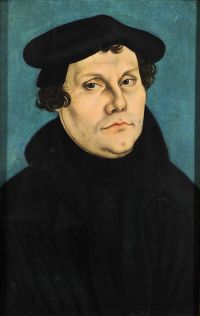
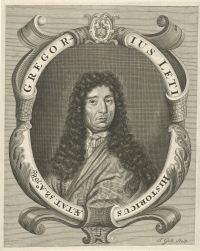
Pope Leo I

Definition and stakes

Ierne L. Plunket,  Europe in the Middle Ages

“ In one sense it was a complete triumph for the Pope; but Leo was a clear-sighted statesman and knew that the power to which he had been restored rested on a weak foundation. The very fact that he had been compelled to appeal for justice to a temporal sovereign lowered the office that he held in the eyes of the world; and he possessed no guarantee that, once the Franks had left Rome, his enemies would not again attack him. Without a recognized champion, always ready to enforce her will, the Papacy remained at the mercy of those who chose to oppose or hinder her. ”
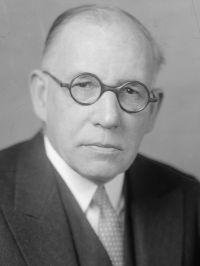
Source: Gutenberg

J. H. Kurtz,  Church History (Volumes 1-3)

“ No pope travelled about so much as he, none held as many synods in the most distant places and various lands. The uprooting of simony was in all cases the main point in their decrees. By bonds of gratitude and relationship, but above all of common interests, he was attached to the German emperor. He could not therefore think of emancipating the papacy from the imperial suzerainty. Practically Leo succeeded in clearing the Augean stable of the Roman clergy, and filled vacancies with virtuous men brought from far and near. ”
Source: Gutenberg

Franz Xaver Kraus,  The Cambridge Modern History, Volume 2… (1904)

“ Leo, noble by birth and education, brought many aptitudes to the Papacy, especially a remarkable knowledge of classical literature, humanity, kindness, the greatest liberality, an avowed intention of supporting artists and learned men, who for many years had enjoyed no such favour in the Holy See. He would have made an ideal Pope had he added to these qualities some knowledge of the things of religion, and a little more inclination to piety, both of them things for which he cared little. ”
Source: Wikisource

Get perspective with Kwize: daily news enlightened by great literature