Prince of Prussia

Definition and stakes

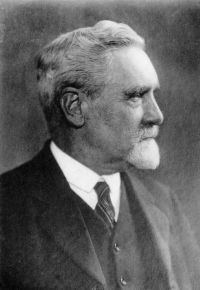
Portrait of F. Max Müller F. Max Müller Auld lang syne (1898)

There was no sovereign more constitutional than the King of Prussia at the beginning of his reign. He surrounded himself with enlightened and liberal-minded ministers, and never interfered with their work. Having been brought up to look upon his brother as a great genius, he was very humble about his own qualifications, and he even thought for a time of abdicating in favour of his son. This, however, would not have suited Bismarck’s hand. When the Prince of Prussia came to the throne, he stipulated one thing only with his ministers: they must give him a free hand to strengthen the army
Source: Gutenberg

L. Mühlbach Old Fritz and the New Era

They desire, at the present, that you seek to be the confidant of the Prince of Prussia. Gain his affection, then govern him, making yourself indispensable to him. Surround him with servants and confidants that you can rely upon. Inspire him with devotion to the holy order. Become, now, the friend of the prince, that you may, one day, rule the king. You are the chief of the order in Prussia; the more members you gain the more secrets will be revealed to you.
Source: Gutenberg

The World's Greatest Books — Volume 12…

A king every inch of him, though without the trappings of a king; in a Spartan simplicity of vesture. In 1786 his speakings and his workings came to finis in this world of time. Editors vaguely account this man the creator of the Prussian monarchy, which has since grown so large in the world.
He was born in the palace of Berlin, about noon, on January 24, 1712; a small infant, but of great promise and possibility. Friedrich Wilhelm, Crown Prince of Prussia, father of this little infant, did himself make some noise in the world as second king of Prussia.
Source: Gutenberg

Get perspective with Kwize: daily news enlightened by great literature