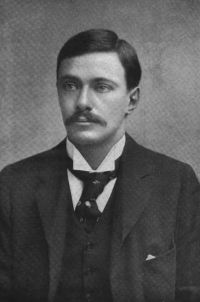
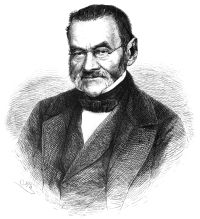
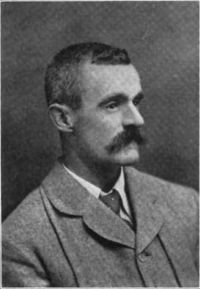
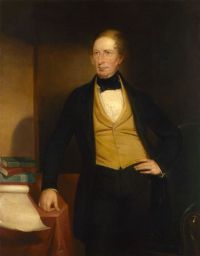
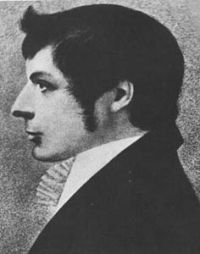
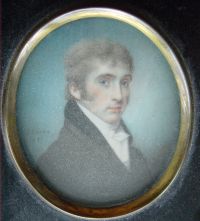
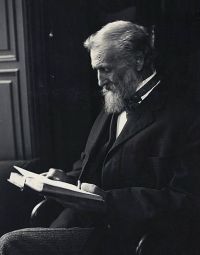
The River Esk, which flows through Dumfries and Galloway in Scotland and Cumbria in England before reaching the Solway Firth, serves as a natural boundary and hydrological feature shaped by its winding course and feeder streams. Authors have long captured its dynamic character: Robert John Buckley compared its rocky bed to that of the Dee, while Bert Leston Taylor focused on its constantly changing path, presenting it as a metaphor for the fluidity of life.
Others, like A. G. Bradley, observed its striking contrasts between rushing torrents and calm reflections, emphasizing its dual nature. These diverse depictions highlight the Esk’s significance as both a geographical landmark and a symbol of change, its waters reflecting the balance between wildness and reflection in the landscapes it passes through.