Roman Baths

Definition and stakes

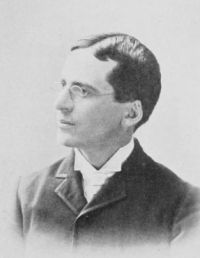
Portrait of Charles Kingsley Charles Kingsley,  Sanitary and Social Lectures and Essays

“ Even since the revival of letters in the end of the fifteenth century a whole literature has been written—a great deal of it, I fear, by pedants who seldom washed even their hands and faces—about your Greek and Roman baths. We visit their colossal ruins in Italy and elsewhere with awe and admiration; and the discovery of a new Roman bath in any old city of our isles sets all our antiquaries buzzing with interest.”
“Then why,” the shade might ask, “do you not copy an example which you so much admire? Surely England must be much in want, either of water, or of fuel to heat it with?”
”
Source: Gutenberg

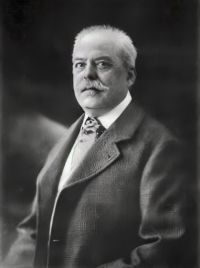
Portrait of Thomas Hughes Thomas Hughes,  Vacation Rambles

“ Ever since my “Roman baths’ round,” the contrast of Imperial Rome and our London has been popping up. Why have not we, at any rate, one or two public baths on something like the old Roman scale? Did they really let any Roman citizen bathe free of charge? Could we possibly do that? and how? Well, after all, it only wants a Cæsar to work the “panem et circenses” trick astutely. And have not we got at last our equivalent for Nero or Titus in our County Council? ”
Source: Gutenberg

Portrait of Nathaniel Parker Willis Nathaniel Parker Willis,  Pencillings by the Way

“ The most considerable ruins of ancient Rome are those of the Baths. The Emperors Titus, Caracalla, Nero, and Agrippa, constructed these immense places of luxury, and the remains of them are among the most interesting and beautiful relics to be 393 found in the world. It is possible that my readers have as imperfect an idea of the extent of a Roman bath as I have had, and I may as well quote from the information given by writers on antiquities. "They were open every day, to both sexes. ”
Source: Gutenberg

Get perspective with Kwize: daily news enlightened by great literature