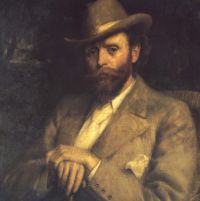
Roman circus

Definition and stakes

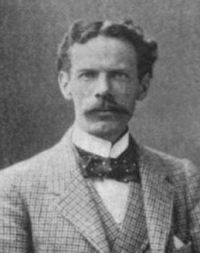
Mildred Duff,  The Bible in its Making: The most Wonderful Book in the World

“ There were no sham combats in a Roman circus; no mere pretence of being wounded. Men fought with men in stern reality; worse still, men were made to fight with wild beasts. Lions and tigers, and fierce bulls tore and gored men to death, while the audience leaned back in their comfortable seats, watching the horrible scenes intently.
Every rich man in Rome at the time of which we write owned hundreds of slaves, who were the absolute property of their owners.
”
Source: Gutenberg

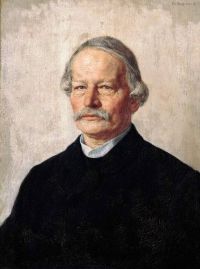
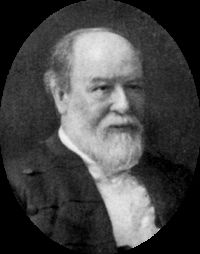
Portrait of Hugh Macmillan Hugh Macmillan,  Roman Mosaics; Or, Studies in Rome and Its Neighbourhood

“ Sebastian, on the left, is a large enclosure, covered with the greenest turf, and reminding one more, by its softness and compactness, of an English park than anything I had seen about Rome. Here are the magnificent ruins of what was long known as the Circus of Caracalla; but later investigations have proved that the circus was erected in honour of Romulus, the son of the Emperor Maxentius, in the year 311. It is the best preserved of all the ancient Roman circuses, and affords an excellent clue to the arrangements of such places for chariot races and the accommodation of the spectators. ”
Source: Gutenberg

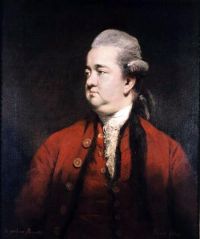
John D. Quackenbos,  Illustrated history of ancient literature… (1889)

“ At its representation, the audience leaped to their feet and shouted their applause.
But Rome was no genial home for the tragic drama, and both tragedy and comedy soon began to languish. With Terence, the glory of the Roman theatre expired. Rope-dancing, buffoonery, and the games of the circus, offered superior attractions; and as the Republic lapsed into the Empire, the degenerate taste of the people sought gratification in the sports of the arena, where gladiators fought together or with wild beasts hardly more of brutes than themselves.
”
Source: Gutenberg

Get perspective with Kwize: daily news enlightened by great literature