Roman history

Definition and stakes

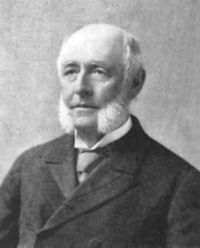
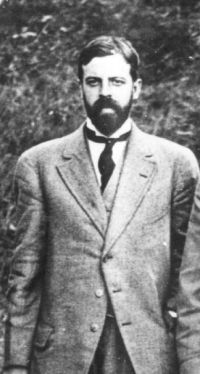
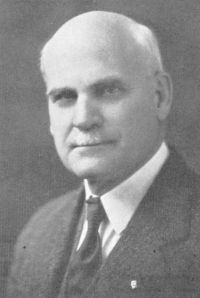
Portrait of Guglielmo Ferrero Guglielmo Ferrero,  Characters and events of Roman History (1909)

“ It seems to me that the chief reason for the eternal fascination of the history of Rome is this, that it includes, as in a miniature drawn with simple lines, well defined, all the essential phenomena of social life; so that every age is able there to find its own image, its gravest problems, its intensest passions, its most pressing interests, its keenest struggles; therefore Roman history is forever modern, because every new age has only to choose that part which most resembles it, to find its own self. ”

Source: Wikisource

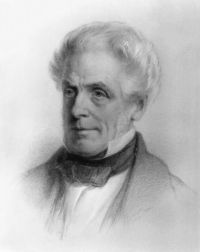
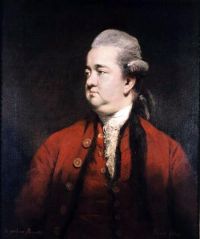
Portrait of Augustus J. C. Hare Augustus J. C. Hare,  Walks in Rome

“ To a spectator on the spot, it is remarkable that the events of Roman history, and of Roman life itself, appear not so distant as the Gothic ages which succeeded them. We stand in the Forum, or on the height of the Capitol, and seem to see the Roman epoch close at hand. We forget that a chasm extends between it and ourselves, in which lie all those dark, rude, unlettered centuries, around the birthtime of Christianity, as well as the age of chivalry and romance, the feudal system, and the infancy of a better civilization than that of Rome. ”
Source: Gutenberg

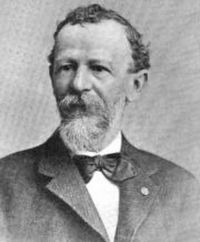
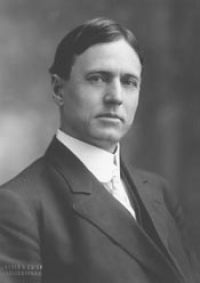
Portrait of Guglielmo Ferrero Guglielmo Ferrero,  Characters and events of Roman History

“ From the fervid admiration for the Roman Republic which animated the men of the French Revolution to the unmeasured Cæsarian apologies of Duruy and of Mommsen, from the ardent cult of Brutus to the detailed studies on the Roman administration of the first two centuries, all historians have studied and regarded Roman history mainly from the point of view of the struggle between the two principles that yet to-day rend in incurable discord the mind of old Europe and from which you have emerged fortunate! You are free, in a new world ”
Source: Gutenberg

Get perspective with Kwize: daily news enlightened by great literature