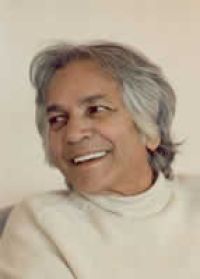
Samadhi, a cornerstone of yogic and spiritual traditions, denotes a state of deep meditative absorption in which the individual self merges with the universal or divine. This concept, examined by thinkers ranging from Swami Swatmarama to U. G. Krishnamurti, highlights various paths to transcendence: Swami Vivekananda views it as union with Brahman, whereas Swami Swatmarama underscores the harmony between mind and prana under a teacher's guidance. U. G.
Krishnamurti, by contrast, suggests that Samadhi arises only after the complete dissolution of all familiar experience, comparing the body to a lifeless form. Meanwhile, Annie Wood Besant portrays it as a separation of consciousness from the physical body, allowing activity on the astral or mental planes. These viewpoints together reveal Samadhi as both a goal of yoga and a profound transformation of self, grounded in stillness, oneness, and the ending of dualistic thinking.
 Swami Vivekananda,
The Complete Works of Swami Vivekananda…
Swami Vivekananda,
The Complete Works of Swami Vivekananda…