Satsuma pottery

Definition and stakes

Jennie J. Young,  The Ceramic Art

“ The illustration (Fig. 124) exemplifies a large division of this pottery, which has designs more or less intricate graved in the paste, and painted purple or plum and turquoise blue. Some of the finer pieces have floral and emblematic incisions, and upon the mingled blue and plum are chrysanthemums and vines in lacquer.
Karatsu is a town in the province of Hizen, and gives its name to a buff ware, somewhat resembling in appearance the darker qualities of Satsuma. It is finely crackled, and the designs are exceedingly varied.
”

Source: Gutenberg

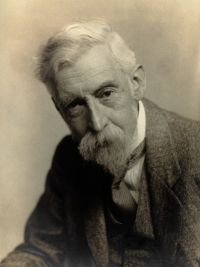
Portrait of Charles Wyllys Elliott Charles Wyllys Elliott,  Pottery and Porcelain, from early times down to the Philadelphia exhibition of 1876

“ The Satsuma faience is made of a rich, creamy paste, and is thicker than most porcelain; but it is delicious in tone and delightful in decoration. There are a few pieces in this country; and more, but not large quantities, in Europe. Some of the finest pieces I have seen are in the collection of the eminent English artist, Mr. Frederick Leighton, whose house, as well as works, can only give pleasure.
Fig. 123.—Example of Modern Satsuma Ware.
”
Source: Gutenberg

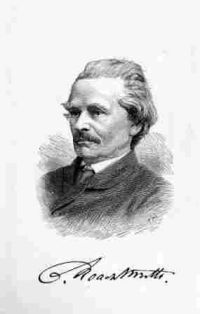
Portrait of James Huneker James Huneker,  Promenades of an Impressionist

“ Vollon, still-life, fish, ivory goblets, violets; Weissenbruchs; Zilcken etchings and two De Zwarts. There is old Rozenburg pottery, designed by Colenbrander, scarce to-day; Dutch and Gothic brass, Oriental portières and brass, old Delft, Japanese armour, various weapons and lanterns, Gobelin tapestry, carved furniture, Dutch and Scandinavian, and a magnificent assortment of Satsuma pottery, Cmail cloisonné, Japanese bronzes, Persian pottery, Spanish brasses, majolica and bronzes and sculptures by Mattos, Constantin, Meunier, and Van Wijk—the list fills a pamphlet. ”
Source: Gutenberg

Get perspective with Kwize: daily news enlightened by great literature