Shapur I

Definition and stakes

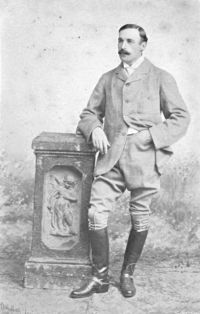
Portrait of Adrian Henry Timothy Knottesford Fortescue Adrian Henry Timothy Knottesford Fortescue,  The Lesser Eastern Churches (1913)

“ Shapur II spent his life fighting Rome; could he allow his own subjects to profess the Roman religion? The cross was the Roman standard; could he let it stand on his side of the frontier? These Christians prayed with his enemies, no doubt they prayed for them. How could he tolerate such disloyalty behind him when he went out to war? It is the tragic situation often repeated in history: Christianity was treason against the State. Without any particular wish to trouble people's consciences, a country at war can hardly allow what seems treason at home. ”
Source: Wikisource

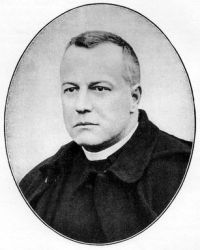
Muhsin Fani,  The Dabistán, or School of manners…

“ The king, satisfied by these proofs, not only adopted their tenets himself, but obliged all others to do the same. In the life of Shapur it is said, in the book quoted, that, when Ardashir was inaugurated in the government, he demanded from the chiefs of the Magi miracles, after the performance of which Ardai Viráf, during a whole week, supporting by arguments the truth of his religion, brought also forward all that relates to hell and heaven. ”
Source: Gutenberg

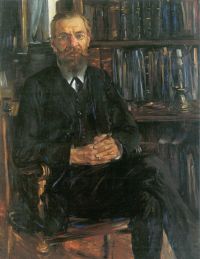
Portrait of Eduard Meyer Eduard Meyer,  1911 Encyclopædia Britannica, Volume 24… (1911)

“ In 337, just before the death of Constantine, Shapur broke the peace concluded in 297 between Narses and Diocletian, which had been observed for forty years, and a war of twenty-six years (337–363) began (Shapur attempted with varying success to conquer the great fortresses of Roman Mesopotamia, Singara, Nisibis (which he invested three times in vain) , Amida (Diarbekr) . The emperor Constantius II. was always beaten in the field. Nevertheless Shapur made scarcely any progress; the military power of his kingdom was not sufficient for a lasting occupation of the conquered districts. ”
Source: Wikisource

Get perspective with Kwize: daily news enlightened by great literature