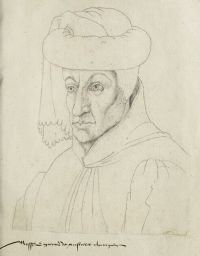
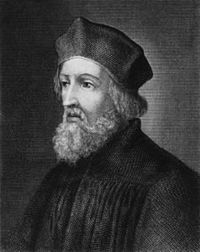
Sigismund I the Old

Definition and stakes

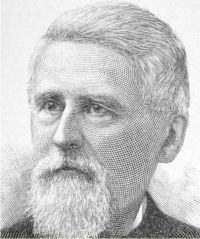
Charles Morris,  Historic Tales: The Romance of Reality…

“ Sigismund, Emperor of Germany, had sworn to put an end to the Hussite rebellion in Bohemia, and to punish the rebels in a way that would make all future rebels tremble. But Sigismund was pursuing the old policy of cooking the hare before it was caught. He forgot that the indomitable John Ziska and the iron-flailed peasantry stood between him and his vow. He had first to conquer the reformers before he could punish them, and this was to prove no easy task. ”
Source: Gutenberg

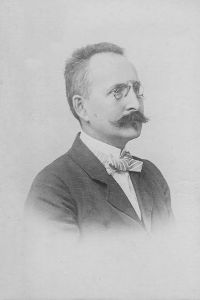
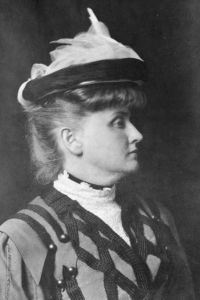
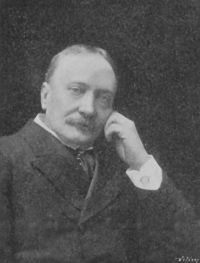
Portrait of Georg Ebers Georg Ebers,  Margery (Gred): A Tale Of Old Nuremberg…

“ Howbeit his Majesty had by this time come to another mind; nay, Queen Barbara left him less peace than even the court-folks, for indeed her father, Count Cilly, was near of kin to the Perenys, and through them to the Welemisl.
The Emperor Sigismund was a noble-minded and easy-living prince, who once, when forty thousand ducats had been poured into his ever-empty treasure chest, divided it forthwith among his friends, saying: "Now shall I sleep well, for that which broke my rest you bear away with you."
”
Source: Gutenberg

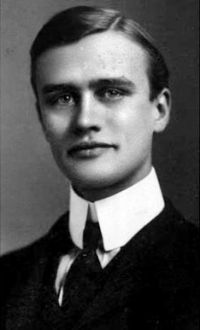
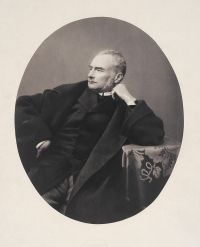
Portrait of David Schley Schaff David Schley Schaff,  John Huss: his life, teachings and death… (1915)

“ If it were necessary to resort to force and the sword, he prayed that the execution of the task might be committed to another rather than himself, lest he be exposed to the suspicion of being moved, not with zeal against the Wyclifites but by a desire to humble his brother and make spoil of his kingdom. In a further communication to the barons, dated September 4, 1417, Sigismund called their attention to the wide-spread rebellion in Bohemia, and, if possible, outdid the council in the appalling narrative he gave of the injuries heaped upon the priests of the old régime. ”
Source: Wikisource

Get perspective with Kwize: daily news enlightened by great literature