Squanto

Definition and stakes

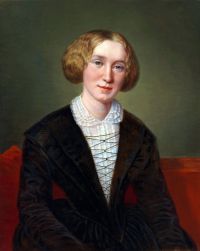
Portrait of Jane G. Austin Jane G. Austin,  Standish of Standish: A Story of the Pilgrims

“ But neither the words nor the spirit of this chivalrous utterance were familiar to Squanto, across whose red and yellow and oily countenance a gleam of humor shot and was gone, while he gravely reported to Quadequina,—
"The white man does but place himself to see the head men of his village fall to the ground before Massasoit and his sachems. He trembles before Quadequina and entreats his kindness."
"Hugh! I think thou liest, Squanto," sententiously replied the young sachem. "I see no trembling in this warrior's face, nor do I believe his people will fall down before Massasoit.
”
Source: Gutenberg

Mrs. J. B. Webb,  The Pilgrims of New England

“ Had he done so, the interpreter might have found it difficult to account for his conduct, as he had professed a strong dislike to Coubitant, and a distrust of all his motives and actions. The fact was, that the wily savage had discovered Squanto's love of importance, and his desire to be supposed to possess the confidence of the white men, and by flattering his vanity, he had drawn from him all the information he could give with respect to the strength of the settlers, and their capability of resisting an attack of the natives. ”
Source: Gutenberg

Catherine Marten,  The Wampanoags in the seventeenth century (1970)

“ The Indian village of Patuxet had formerly been located on the site where the Pilgrims were to establish New Plimoth; it had been wiped out by a plague. The sole survivor from Patuxet was Squanto, who had joined the band of a sachem called Massasoit.
Political relationships among the Indian groups of southeastern New England were variable depending upon the leadership abilities and popularity of their several sachems at various times.
”
Source: Gutenberg

Get perspective with Kwize: daily news enlightened by great literature