St Albans

Definition and stakes

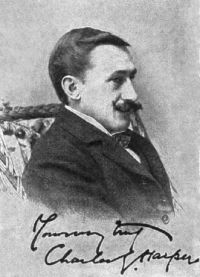
Portrait of Charles G. Harper Charles G. Harper,  The Manchester and Glasgow Road…

“ Albans, largely though the place has grown of late126 years. The Abbey, on its crowning ridge, of course dominates everything; but, apart from that chief feature, you have old churches, old houses of every degree of antiquity down to the time of George the Third (after which period houses cease to be antique) , and old inns. And with all these evidences of a venerable age there is yet a lively air, a bustling cheeriness, about St. Albans that render it really lovable. Much might be said of St. Albans: of the ruins of Sopwell nunnery, down in the quelchy water-meadows as you come in from London ”
Source: Gutenberg

H. Claiborne Dixon,  The Abbeys of Great Britain

“ THE quiet little town of St Albans in Hertfordshire has sprung up on the site of the Roman city Verulamium, the ruined walls of which are still to be seen. Here, according to the legend, Alban, the proto-martyr of Britain, was born. Converted to Christianity by the priest Amphibalus—to whom he had given shelter—he refused to renounce his faith, and was beheaded. The martyrdom took place{162} outside the walls of the town, on the exact site on which now stands the cathedral—formerly the abbey—of St Albans. ”
Source: Gutenberg

V. H. Galbraith,  The Abbey of St. Albans from 1300 to the dissolution of the monasteries (1911)

“ The effect of lessening the pressure of outside circumstances and rendering more safe and easy the existence of the Abbey was to promote a mild revival which bore its best fruits in a new outburst of historical writing. The golden age of St. Albans’ historical composition had been the early thirteenth century, and was associated with the names of Roger Wendover and Matthew Paris. Then it was that the St. Albans School grew famous. ”
Source: Gutenberg

Get perspective with Kwize: daily news enlightened by great literature