Sword of Damocles

Definition and stakes

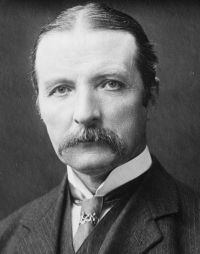
John Patrick Le Poer A Modern Legionary

Talk of the sword of Damocles, that was nothing;—it simply meant death at some uncertain time—why, we all have such swords over our heads, and yet we eat and drink and sleep, we pray and curse, we laugh and weep, we hurt or help our neighbour, we gain or spend, as if life were the one thing safe and sure, safe and sure for ever. No one thinks much of his future beyond the grave
Source: Gutenberg

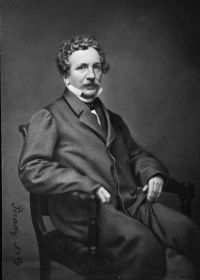
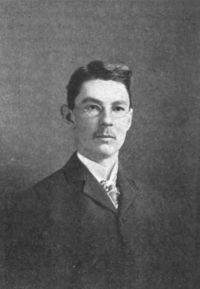
Portrait of William Archer William Archer Play-Making: A Manual of Craftsmanship

Sir Arthur Pinero's play, The Profligate, was written at a time when it was the fashion to give each act a sub-title; and one of its acts is headed "The Sword of Damocles." That is, indeed, the inevitable symbol of dramatic tension: we see a sword of Damocles (even though it be only a farcical blade of painted lathe) impending over someone's head: and when once we are confident that it will fall at the fated moment, we do not mind having our attention momentarily diverted to other matters. A rather flagrant example of suspended attention is afforded by Hamlet's advice to the Players.
Source: Gutenberg

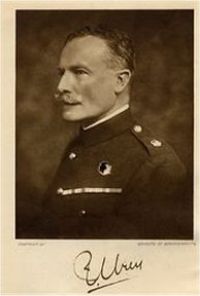
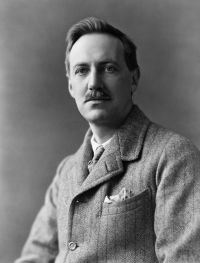
Portrait of Percival Christopher Wren Percival Christopher Wren Snake and Sword: A Novel

He himself would have shot any human being guilty of inflicting a tithe of the agony on a pariah dog. There could be no God!... and then the beams of the rising moon fell upon the blade of the Sword, making it shine like a lamp, and, with a roar as of a charging lion, Damocles de Warrenne sprang from the bed, seized it by the hilt, and was aware, without a tremor, of a cobra that reared itself before him in the moonlight, swaying in the Dance of Death.
Source: Gutenberg

Get perspective with Kwize: daily news enlightened by great literature