The Athenaeum

Definition and stakes

1911 Encyclopedia Britannica (1911)

“ ATHENAEUM, a name originally applied in ancient Greece (Ἀθήναιον) to buildings dedicated to Athena, and specially used as the designation of a temple in Athens, where poets and men of learning were accustomed to meet and read their productions. The academy for the promotion of learning which the emperor Hadrian built (about A.D. 135) at Rome, near the Forum, was also called the Athenaeum. Poets and orators still met and discussed there, but regular courses of instruction were given by a staff of professors in rhetoric, jurisprudence, grammar and philosophy. ”
Source: Wikisource

W. Lucas Collins,  Homer: The Iliad; The Odyssey

“ We not only have a faithful presentation of the stamp and quality of the literature which the master-minds of the classical world have bequeathed to the modern world, but we have a series of admirably vivid and graphic pictures of what life at Athens and Rome was. We are not merely taken back over a space of twenty centuries, and placed immediately under the shadow of the Acropolis, or in the very heart of the Forum, but we are at once brought behind the scenes of the old Roman and Athenian existence. As we see how the heroes of this ‘new world which is the old’ plotted, intrigued, and planned ”
Source: Gutenberg

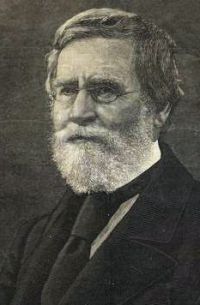
Portrait of Karl Otfried Müller Karl Otfried Müller,  History of the Literature of Ancient Greece (1847)

“ LITERATURE OF ANCIENT GREECE. 283 Athenians were not cruel and sanguinary by nature ; but a reckless severity, when there was a question of maintaining principles which they thought necessary to their existence, was implanted deeply in their character ; and circumstances too often impelled them to employ it against their allies. The Athenian policy of compelling so many cities to contribute their wealth in order to make Athens the focus of art and cultivation, was indeed accompanied with pride and selfish patriotism. ”
Source: Wikisource

Get perspective with Kwize: daily news enlightened by great literature