Tiphaïne

Definition and stakes

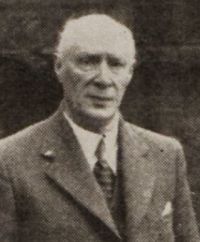
Portrait of Warwick Deeping Warwick Deeping,  Bertrand of Brittany

“ Tinteniac was not a man to be dictated to by the tongue of a mere girl, and yet there was something so compelling in Tiphaïne’s nature that he discovered himself questioning the aristocratic niceness of his opinions. It was her courage, her great-heartedness, that had struck Tinteniac from the hour he had first spoken with her in the solar at La Bellière. Few women would have chosen so straight a path as Tiphaïne. ”
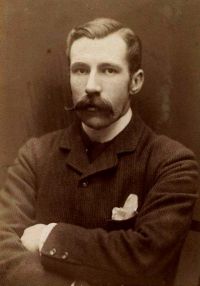
Source: Gutenberg

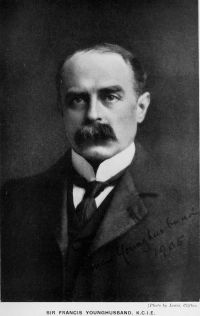
Portrait of Warwick Deeping Warwick Deeping,  Bertrand of Brittany

“ Arletta understood all that Tiphaïne’s influence portended. Her woman’s instinct tore out the truth of her own dethronement. Bertrand would be the gentleman once more, ashamed of a bed of bracken and of a poor quean who had no honor.
Hate found the door of the girl’s heart open, with jealousy beckoning from within. She hated Tiphaïne—hated her with a reasonableness that had its justification in the truth. Who had the silkier skin, the finer clothes, the more sweeping grace, the longer hair? Even in the mere physical rivalry the lady outshone the poor woman of the smithy and the moors.
”
Source: Gutenberg

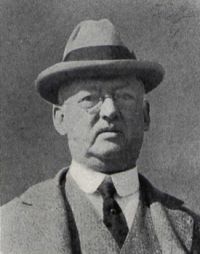
Portrait of Warwick Deeping Warwick Deeping,  Bertrand of Brittany

“ Tinteniac sent his two esquires forward with the three men-at-arms, the two La Bellière servants coming next with the mules, and Tiphaïne’s woman upon her palfrey, while Tinteniac, the tall carack of the fleet, sailed beside the Vicomte’s daughter, his shield flashing gold and gules towards the morning sun.
No healthy male is without vanity, and Tinteniac, despite the serenity of his pride, had taken some of Tiphaïne’s words to heart.
”
Source: Gutenberg

Get perspective with Kwize: daily news enlightened by great literature