Turkish bath

Definition and stakes

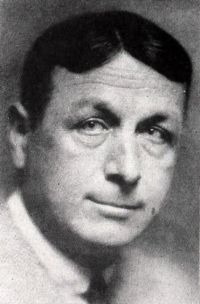
W. G. Burn Murdoch,  From Edinburgh to India & Burmah

“ The Turkish bath is the only place you can get really dry in; at one hundred and fifty in the hot room you feel more comfortable than outside at eighty-two. The Turkish bath in the hotel is very nicely fitted up, but the native masseur wasn't a pleasing experience, his weak chocolate-coloured hands gave me the sensation of the touch of a middling strong eel; his lean, lithe figure and the charms round his neck, and grey hair died brick-red I expect to see again in dreams—a crease in his teeth and venom in his evil eye. ”

Source: Gutenberg

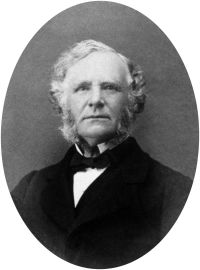
Portrait of Diogenes Laërtius Diogenes Laërtius,  Life in a tub; with a description of the Turkish bath (1858)

“ Having now dwelt on the numerous advantages of the Turkish bath, its beneficial effects in preserving health and curing disease, we cannot refrain from expressing our astonishment that the year 1857 should find our noble city destitute of so valuable an institution.13 Shall we any longer allow this state of things to continue, and permit barbarians to enjoy a source of comfort and of health which we deny to ourselves? Shall we any longer practise this self-denial, and any longer be content to lag behind the civilization of the East? ”
Source: Gutenberg

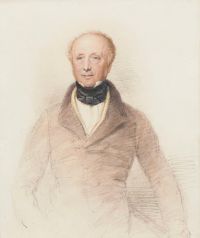
Robert Owen Allsop,  The Turkish Bath, Its Design and Construction

“ As a consequence, we have had, and still have, placed before the public, and meeting with undeserved success, "Turkish baths" which are such only in name—unhealthy, ill-ventilated cellars, where the air, deteriorated at the outset by the heating apparatus, stagnates in the sudatory chambers, and becomes loaded with the exhalations and emanations of the bathers, and not unfrequently charged with a nauseating and disgusting odour. What wonder that we so often hear persons remark that they have tried the bath, but neither enjoyed it nor did it agree with them! ”
Source: Gutenberg

Get perspective with Kwize: daily news enlightened by great literature