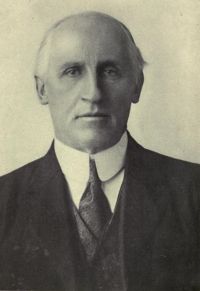
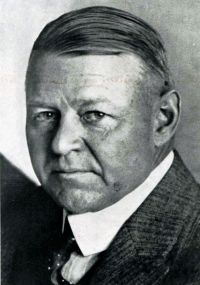
A. C. Wootton, Chronicles of Pharmacy, Vol. 2… (1910)
“ Aniline may be regarded as ammonia, NH3, in which one hydrogen atom has been replaced by the phenyl group, C6H5, and, like ammonia, it combines with acids to form salts. Aniline acetate being formed, the elements of water being eliminated in the process, the product is acetanilide, or antifebrin. Acetanilide was first prepared by Gerhardt, in 1853, but its physiological action was only discovered by Cahn and Hepp in the ’eighties. By the substitution of an ethoxy-group for one of the hydrogen atoms of acetanilide, para-ethoxy-acetanilide, commonly called “phenacetin,” is produced. ”