Aesthetic instinct

Definition and stakes

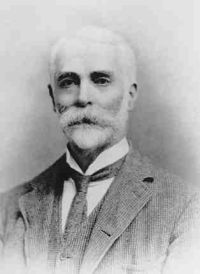
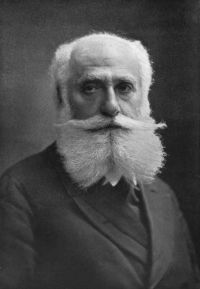
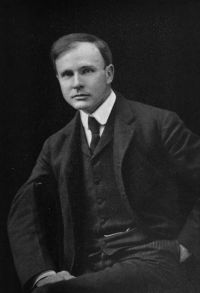
De Witt H. Parker,  The Principles of Aesthetics

“ For when ambition has no longer to struggle against the world and is satisfied, the imagination that served it may become free; and when appetite is cloyed, the instrumentalities of sensuous pleasure can find a new meaning as beautiful. Then the worldling becomes the patron of the artist and the two are reconciled. And all along this result was preparing. For instinct seldom completely dominates imagination and sensation; there is always some aesthetic freedom in the self-adornment and display of the wealthy. ”
Source: Gutenberg

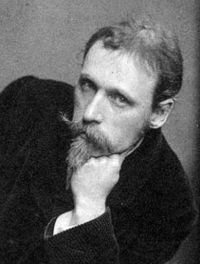
Portrait of Friedrich Schiller Friedrich Schiller,  Aesthetical Essays of Friedrich Schiller

“ Directly man has come to distinguish the appearance from the reality, the form from the body, he can separate, in fact he has already done so. Thus the faculty of the art of imitation is given with the faculty of form in general. The inclination that draws us to it reposes on another tendency I have not to notice here. The exact period when the aesthetic instinct, or that of art, develops, depends entirely on the attraction that mere appearance has for men. ”
Source: Gutenberg

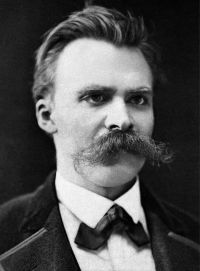
Portrait of Friedrich Wilhelm Nietzsche Friedrich Wilhelm Nietzsche,  The Will to Power: An Attempted Transvaluation of All Values…

“ The biological value of beauty and ugliness. That which we feel instinctively opposed to us æsthetically is, according to the longest experience of mankind, felt to be harmful, dangerous, and worthy of suspicion: the sudden utterance of the æsthetic instinct, e.g. in the case of loathing, implies an act of judgment. To this extent beauty lies within the general category of the biological values, useful, beneficent, and life-promoting: thus, a host of stimuli which for ages have been associated with, and remind us of, useful things and conditions, give us the feeling of beauty, i.e. ”
Source: Gutenberg

Get perspective with Kwize: daily news enlightened by great literature