Agricultural college

Definition and stakes

Various,  Popular Science Monthly (1905)

“ It involves the very function and policy of the college itself. It alone gives proportion to the problem of agricultural education, because, while distinctly admitting the need of better farming and the consequently fundamental necessity of the technical training of farmers, it emphasizes the importance of the economic and political and social aspects of rural development. And it thereby indicates that only by a due recognition of these factors, in purpose, in organization, and in course of study, can the American agricultural college fulfil its mission to the American farmer. ”

Source: Wikisource

New York State College of Agriculture,  Cornell Nature-Study Leaflets

“ The agricultural colleges have been handicapped from the first for lack of funds. It is now coming to be recognized that the highest kind of effort in these colleges cannot be sustained on a farm that pays for itself nor by means that are copied from the customary college work in "humanities" and "science." If it is to be efficient, agricultural education of a university grade is probably more expensive to equip and maintain than any other kind of education. ”
Source: Gutenberg

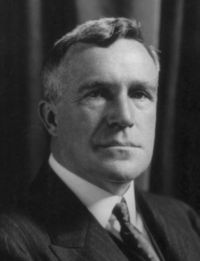
Portrait of Kenyon L. Butterfield Kenyon L. Butterfield,  Chapters in Rural Progress

“ A decade ago it was not easy to find colleges which believed that this could be done, and some [Pg 33] agricultural educators have even disavowed such a purpose as a proper object of the colleges. But the strongest agricultural colleges today have pride in just such a purpose. And why not? We not only need men thus trained as leaders in every rural community, but, if the farming business cannot be made to offer a career to a reasonable number of college-trained men, it is a sure sign that only by the most herculean efforts can the farmers maintain their status as a class. ”
Source: Gutenberg

Get perspective with Kwize: daily news enlightened by great literature