Albinism, a congenital genetic disorder characterized by the lack of melanin, leads to pale skin, hair, and eyes, along with increased susceptibility to environmental stressors. This condition, although most frequently linked to humans, occurs in a variety of animals and plants, as seen in studies of albino alligators, Mexican cave tetras, and pale-colored flora. Scholars such as Charles Benedict Davenport investigated its hereditary patterns in domestic birds, underscoring its Mendelian inheritance, while George M.
Gould differentiated albinism from acquired pigment deficiencies, emphasizing its widespread yet variable manifestation across species. In addition, Project Gutenberg’s encyclopedic entries highlighted its frequency in cave-dwelling organisms, indicating environmental effects on pigmentation. These viewpoints together illustrate albinism as a complex phenomenon, influenced by genetics, ecology, and evolutionary adaptation, rather than a simple, unchanging trait.
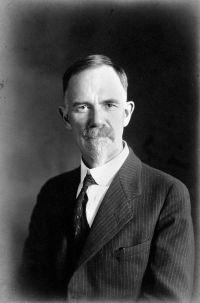 Charles Benedict Davenport,
Inheritance of Characteristics in Domestic Fowl
Charles Benedict Davenport,
Inheritance of Characteristics in Domestic Fowl