Melanism

Definition and stakes

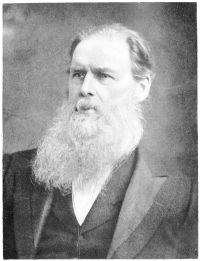
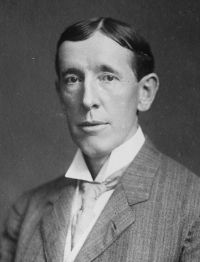
Portrait of W. J. Holland W. J. Holland,  The Butterfly Book

“ On the other hand, melanism, or a tendency to the production of dark or even black forms, reveals itself. Melanism is rather more common in the case of the male sex than in the female sex. The collector and student will always endeavor, if possible, to preserve these curious aberrations, as they are called. We do not yet entirely understand what are the causes which are at work to produce these changes in the color, and all such aberrant specimens have interest for the scientific man. ”
Source: Gutenberg

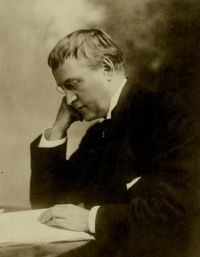
Portrait of George M. Gould George M. Gould,  Anomalies and Curiosities of Medicine

“ Melanism is an anomaly, the exact contrary of the preceding. It is characterized by the presence in the tissues and skin of an excessive amount of pigment. True total melanism is unknown in man, in whom is only observed partial melanism, characterized simply by a pronounced coloration of part of the integument.
Some curious instances have been related of an infant with a two-colored face, and of others with one side of the face white and the other black; whether they were cases of partial albinism or partial melanism cannot be ascertained from the descriptions.
”
Source: Gutenberg

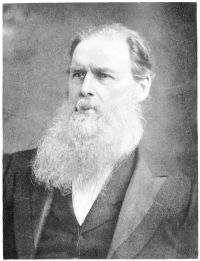
Portrait of Edward B. Tylor Edward B. Tylor,  Anthropology (1881)

“ The colouring of the dark races appears to be similar in nature to the temporary freckling and sun-burning of the fair white race. Also, Europeans have permanent dark colouring in some portions of the skin, though not exposed to the sun; the areola of the breast, for instance; while in certain affections, known by the medical name of melanism, patches closely resembling negro skin appear on the body. On the whole it seems that the distinction of colour, from the fairest Englishman to the darkest African, has no hard and fast lines, but varies gradually from one tint to another. ”
Source: Gutenberg

Get perspective with Kwize: daily news enlightened by great literature