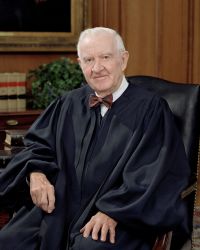
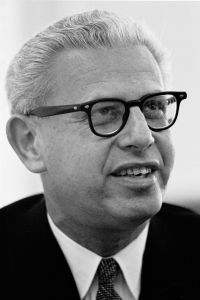
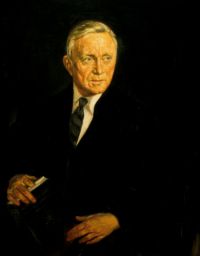
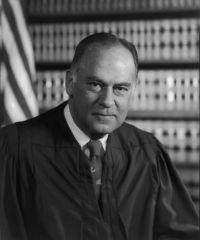
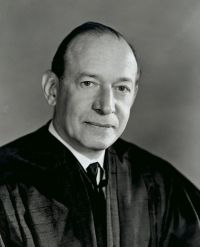
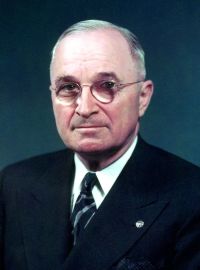
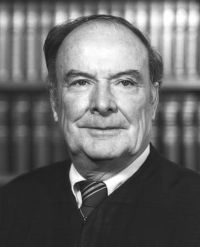
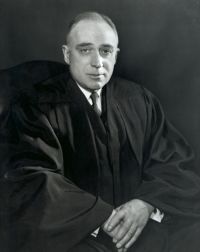
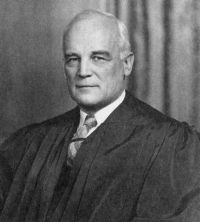
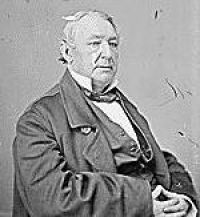
Antitrust law encompasses legal structures aimed at curbing monopolistic behavior, fostering competition, and maintaining equitable market conditions. This subject has been examined by legal scholars and policy makers such as Earl Warren, who highlighted the importance of antitrust principles in protecting economic fairness, and John Thomas Rosch, who analyzed the evolving role of the judiciary in defining key antitrust regulations.
Remarks from individuals like William J. Brennan, Jr. and Thurgood Marshall illustrate the conflicts between regulatory power and the implementation of antitrust legislation, while presidential speeches reflect ongoing discussions regarding legislative precision and enforcement. The interaction among judicial rulings, legislative directives, and economic objectives demonstrates antitrust law as a flexible tool that balances market autonomy with the public good.
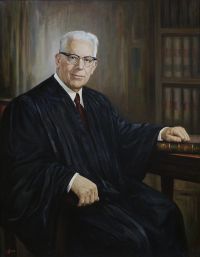 Earl Warren,
Kaplan v. Lehman Brothers — Dissent