Areca nut

Definition and stakes

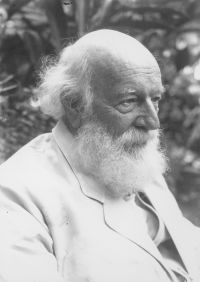
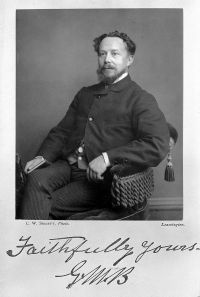
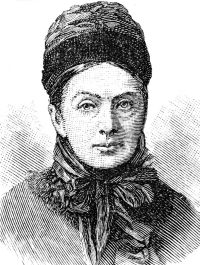
Portrait of Isabella L. Bird Isabella L. Bird,  The Golden Chersonese and the Way Thither

“ The betel-nut is the fruit of the lovely, graceful, slender-shafted areca palm. This tree at six years old begins to bear about one hundred nuts a year, which grow in clusters, each nut being about the size of a nutmeg, and covered with a yellow, fibrous husk. The requisites for chewing are: a small piece of areca nut, a leaf of the Sirih or betel pepper, a little moistened lime, and, if you wish to be very luxurious, a paste made of spices. ”

Source: Gutenberg

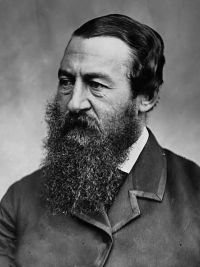
Portrait of Ida Pfeiffer Ida Pfeiffer,  A Woman's Journey Round the World

“ They are first smoked, and then laid for a short time in the sun.
Another kind of spice is the areca-nut, which hangs under the crown of the palm of the same name, in groups containing from ten to twenty nuts each. It is somewhat larger than a nutmeg, and its outer shell is of so bright a colour, that it resembles the gilt nuts which are hung upon the Christmas-trees in Germany. The kernel is almost the same colour as the nutmeg, but it has no net-work: it is dried in the shade.
The Chinese and natives of the place chew this nut with betel-leaf and calcined mussel-shells.
”
Source: Gutenberg

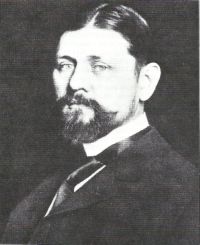
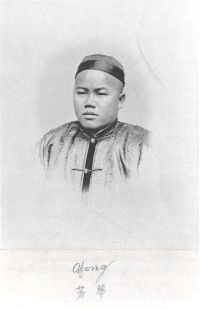
Portrait of George Frederick Kunz George Frederick Kunz,  The Book of the Pearl

“ The practice is an old one in India and was noted by Marco Polo more than six hundred years ago.
Most of the Placuna pearls are calcined and are used with areca-nuts and betel-pepper leaves in a very popular masticatory, one of the “seven sisters of sleep,” which is to the Hindu what opium is to the Chinaman, or tobacco to the American or European. The hard white areca-nut (Areca Catechu) is about the size and shape of a hen’s egg. Three or four thousand tons of the small, tender nuts are annually shipped from Ceylon to India for this masticatory, which is chewed by a hundred million persons.
”
Source: Gutenberg

Get perspective with Kwize: daily news enlightened by great literature