Ariki

Definition and stakes

James Greenwood,  Stirring scenes in savage lands (1865)

“ In it we discern somewhat of the ancient dignity and power of the high chief, or ariki, and a remnant of the sovereign authority they once possessed, with the remarkable union of the kingly and sacerdotal character in their persons. It rendered them a distinct [235] race, more nearly allied to gods than men, their persons, garments, houses, and everything belonging to them being so sacred, that to touch or meddle with them was alone sufficient to occasion death. ”
Source: Gutenberg

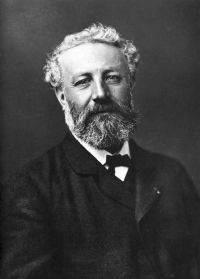
Portrait of Jules Verne Jules Verne,  In Search of the Castaways; or Captain Grant's Children… (1911)

“ KAI-KOUMOU, as frequently happens among the Maories, joined the title of ariki to that of tribal chief. He was invested with the dignity of priest, and, as such, he had the power to throw over persons or things the superstitious protection of the "taboo."
The "taboo," which is common to all the Polynesian races, has the primary effect of isolating the "tabooed" person and preventing the use of "tabooed" things.
”
Source: Wikisource

Reginald Horsley,  New Zealand

“ The tohunga, or sorcerers, exercised unbounded influence over the minds of the Maori. Their duties on occasion coincided with those of the ariki, and their position, too, was hereditary; but, while men revered, and often loved their chief, their respect for the tohunga was tinctured with fear and, not seldom, with hate. The chief could lay tapu upon a man, which was bad enough; but the tohunga could bewitch him outright, condemning the poor wretch to loss of worldly gear, aches and pains, and even to death itself. ”
Source: Gutenberg

Get perspective with Kwize: daily news enlightened by great literature