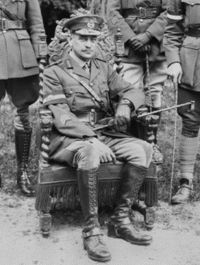
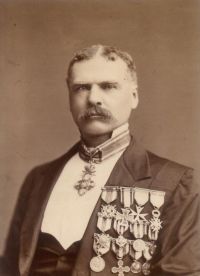
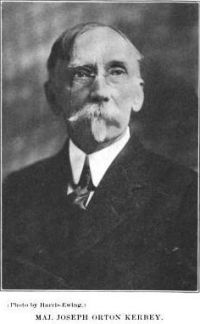
The artilleryman, a soldier trained in handling heavy weaponry, represents both technical skill and historical continuity within military tradition. Authors such as Francis Duncan emphasize the artilleryman’s respect for those who came before, portraying the role as a scientific and collective effort, while Thomas Wilhelm describes it more practically as the management of guns in battle.
Jenkins Lloyd Jones provides a diary-style look at the logistical responsibilities involved, contrasting with Charles Wadsworth Camp’s contemplation of the tension between artillery’s specialized training and its potential deployment in infantry roles. These differing viewpoints highlight the artilleryman’s dual function as a tactical participant and a guardian of military history, connecting practical application with enduring legacy.