Bill of credit

Definition and stakes

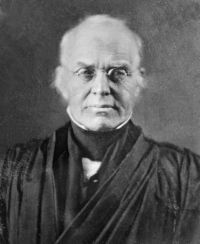
Portrait of William Graham Sumner William Graham Sumner A History of Banking in the United States… (1896)

A State could not incorporate a company to coin, because it is forbidden to do so itself; nor could it incorporate a company to issue bills of credit. "To constitute a bill of credit within the Constitution, it must be issued by a State, on the faith of the State, and designed to circulate as money. It must be a paper which circulates on the credit of the State, and so received and used in the ordinary business of life. The individual or committee who issue it must have power to bind the State.
Source: Wikisource

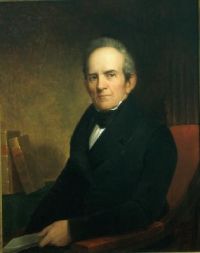
John McLean Briscoe v. Bank Commonwealth Kentucky…

When it is said, that a bill which is payable on demand, is not a bill of credit; nor a bill which contains no promise to pay at a future day; we find, that on their face, nearly all the colonial issues were without any limitation of time, and were receivable in payments to the state, immediately upon their presentation; though funds for their redemption were not provided, except in futuro. The issues by congress were, with a single exception, without any limitation of time as to payment, and were to be paid in gold or silver.
Source: Wikisource

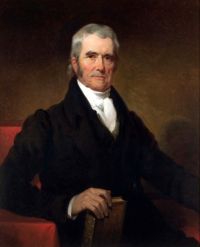
Portrait of Charles Sumner Charles Sumner Charles Sumner: his complete works…

If the Constitution failed to speak, Congress has not failed; and the exercise of this power cannot now be questioned, without unsettling our whole financial system. But we have seen that throughout our Colonial history the tender was a constant, though not inseparable, incident of the bill of credit,—that, indeed, it was so much part of the bill of credit that the Imperial Parliament positively interfered to separate the two, and, while sanctioning the bill of credit, forbade the tender.
Source: Gutenberg

Get perspective with Kwize: daily news enlightened by great literature