Blue flower

Definition and stakes

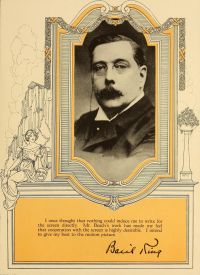
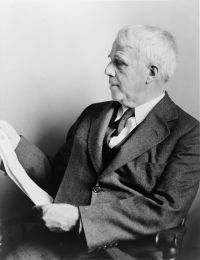
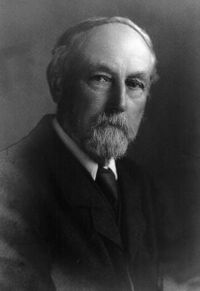
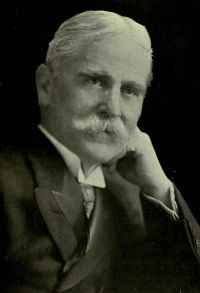
Portrait of Henry Van Dyke Henry Van Dyke,  The Blue Flower (1902)

“ All passion had dissolved away from him; every sound was music; every breath was peace; the rocks were like sentinels protecting him; the sky was like a cup of blessing full of tranquil light.
But what charmed him most, and drew him with resistless power, was a tall, clear-blue flower, growing beside the spring, and almost touching him with its broad, glistening leaves. Round about were many other flowers, of all hues. Their odours mingled in a perfect chord of fragrance. He saw nothing but the Blue Flower.
”
Source: Wikisource

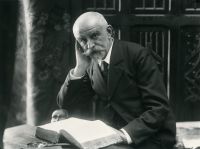
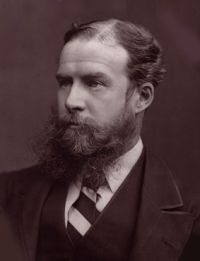
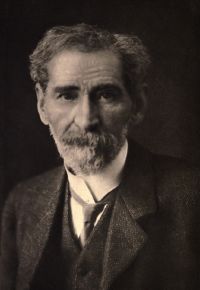
Portrait of W. H. Hudson W. H. Hudson,  Birds and Man

“ The skin, too, needed some beautiful colour, and there were red as well as blue flowers in the bunch; and the red flowers being most abundant in nature and in greater variety of tints, give us altogether more pleasure than their beautiful rivals in our affection.
The blue flower is associated, consciously or not, with the human blue eye; and as the floral blue is in all or nearly all instances pure and beautiful, it is like the most beautiful human eye. This association, and not the colour itself, strikes me as the true cause of the superior attraction which the blue flower has for most of us.
”
Source: Gutenberg

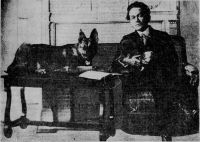
Portrait of Henry Van Dyke Henry Van Dyke,  The Blue Flower

“ And there, in a cleft between the highest peaks I saw a wondrous thing: for the place at which I was looking seemed to come nearer and nearer to me; I saw the trees, the rocks, the ferns, the white road winding before me; the enfolding hills unclosed like leaves, and in the heart of them I saw a Blue Flower, so bright, so beautiful that my eyes filled with tears as I looked. It was like a face that smiled at me and promised something. Then I heard a call, like the note of a trumpet very far away, calling me to come. And as I listened the flower faded into the dimness of the hills. ”
Source: Gutenberg

Get perspective with Kwize: daily news enlightened by great literature