Bomb shell

Definition and stakes

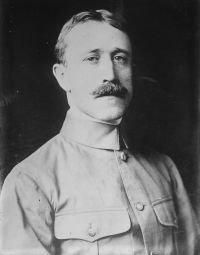
Portrait of Stephen Graham Stephen Graham,  The challenge of the dead

“ It is more unpleasant, though really safer, to await bombs in open fields than it is in London, but the soldier loathed the bomb from air far more than he did the shell. The transverse movement of the shell no doubt gives the mind more scope for judgment and calm than does the missile falling vertically. ”

Source: Gutenberg

William W. Day,  Fifteen Months in Dixie; Or, My Personal Experience in Rebel Prisons

“ Sometimes a shell would not explode until it had made its full journey and landed among the buildings or in the streets and then havoc and destruction ensued. The most of the people lived in bomb proofs, which protected them from the fragments of the shells which exploded in the air, but were not proof against those which exploded after striking. ”
Source: Gutenberg

Unknown,  Whig Against Tory

“ P. "Shells are often called bombs, a word which signifies great noise; because, when they burst, they make a great noise. They consist of a large shell of cast iron, which is round and hollow. A hole is made through the shell to receive a fusee, as it is called; this is a small pipe, or hollow piece of wood, which is filled with some combustible matter. When a bomb is about to be fired, it is filled with powder, after which the fusee is driven into the vent, or hole of the shell."
William. "How are bombs fired, father?"
Gen. P. "They are thrown from a kind of cannon called a mortar.
”
Source: Gutenberg

Get perspective with Kwize: daily news enlightened by great literature