Capuchin monkey

Definition and stakes

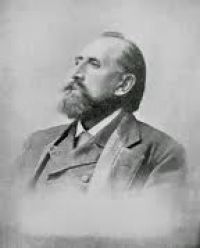
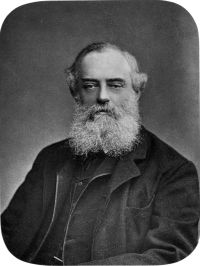
Portrait of C. J. Cornish C. J. Cornish,  Life at the Zoo: Notes and Traditions of the Regent's Park Gardens

“ The Capuchin monkeys remain good-tempered always, as do many of the smaller species. But as a rule monkey-temper fails after the animals have been for four or five years in the Gardens, and they become uncertain and often unsafe. An ounce of fact is worth a pound of theory. A large monkey escaped in the evening when it was being transferred to another cage. ”

Source: Gutenberg

Portrait of C. J. Cornish C. J. Cornish,  Life at the Zoo: Notes and Traditions of the Regent's Park Gardens

“ Of all the American monkeys the Capuchins seem the most hardy and long-lived species. They occupy a portion of the large central cage at the Zoo, being well able to take care of themselves both in human and monkey society. The last addition to the family is a brown Capuchin, a bright, intelligent, round-headed, round-eyed little monkey, with a long thick tail, and a coat of rich brown fur. Though perfectly fearless when with grown men, pulling them towards it with all the strength of its little arms, this Capuchin has a vehement and aggressive dislike of boys. ”
Source: Gutenberg

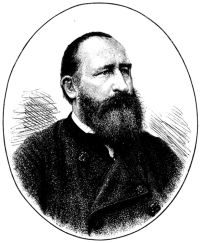
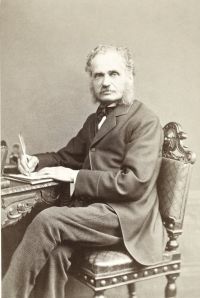
Portrait of Mayne Reid Mayne Reid,  The Forest Exiles: The Perils of a Peruvian Family in the Wilds of the Amazon

“ This creature is not less than three feet in height and of a reddish maroon colour. Its body is entirely different from the “ateles” monkeys, being stouter and covered with a fuller coat of hair; and its tail is large and bushy, without any prehensile power. It is, in fact, less of a tree monkey than the ateles, although it also lives among the branches. The most striking peculiarities of the Capuchin are its head and face. In these it bears a stronger resemblance to the human being than any other monkey in America. ”
Source: Gutenberg

Get perspective with Kwize: daily news enlightened by great literature