The homunculus, a small, artificial human figure, originated in 16th-century alchemy as a symbol of humanity's pursuit of creating life, grounded in preformationist ideas and folk beliefs. Alchemists such as Paracelsus outlined techniques for producing these entities through decay and sustenance, while Jung associated them with spiritual imagery. In modern science, the term refers to the cortical homunculus, a warped human form that represents the brain's sensory and motor areas.
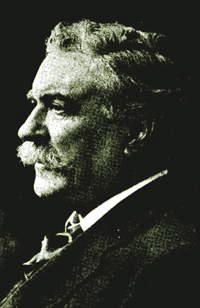
Authors like Herbert Silberer examined its alchemical allure, highlighting its function as a link between art and nature, while Ernest Belfort Bax described its formation via chemical means. The concept therefore combines historical intrigue with artificial life and modern neurological depiction, illustrating humanity's persistent interest in the distinction between the natural and the man-made.