Cave lion

Definition and stakes

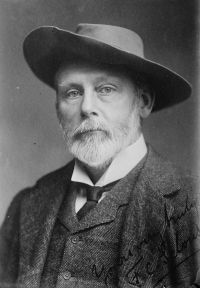
Portrait of Theodore Roosevelt Theodore Roosevelt,  A Book-Lover's Holidays in the Open

“ There were species of wild cattle, including the European bison, and the urus or aurochs—spoken of by Cæsar, and kin to, and doubtless partly ancestral to, the tame ox. The cave-lion, perhaps indistinguishable from the modern African lion, was the most formidable beast of prey. I say "perhaps" indistinguishable, for we cannot be quite certain. Some of the races of cave-dwelling [219] men were good artists, and carved spirited figures of mammoth, rhinoceros, bison, horse, reindeer, and bear on ivory, or on the walls of caves. The big lion-like cats appear only rarely in these pictures. ”
Source: Gutenberg

Konrad Merk,  Excavations at the Kesslerloch… (1876)

“ Even in Switzerland two or three individuals are killed every year.
Amongst this varied series of animals the appearance of the cave-lion (Felis spelæa) is of no little interest. Its existence is shown by two canines of a full-grown animal—a right upper-jaw, a right upper tusk, a tooth of the left under-jaw and one of the right under-jaw, and an upper canine tooth of young animals. The cave-lion is now extinct. On the average it was larger than the lion of the present day. As yet it has been found only in French, Belgian (English, [11] ) and Swabian caves
”
Source: Wikisource

Get perspective with Kwize: daily news enlightened by great literature