Celandine

Definition and stakes

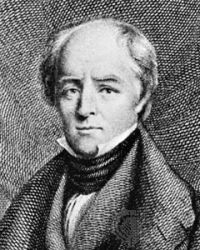
Portrait of James Glaisher James Glaisher,  Art-Studies from Nature, as Applied to Design

“ Chelidonium is derived from the Greek word chelidon, a swallow, from an old belief that the plant came into flower on the arrival of those birds, and withered when they took their departure; hence in old writings we frequently find the Celandine termed swallow-wort. The plant will commonly be found in waste places, and more especially near human habitations. It{27} attains to a height of about two feet, and flowers throughout May, June, July, and August. Consult S. B. 95; E. B. 67; M. B. 263; S. C. 86, for drawings of the natural growth of the celandine.
The Cinquefoil (Potentilla reptans) .
”
Source: Gutenberg

Various,  Encyclopaedia Britannica, 11th Edition…

“ The plant grows in waste places and hedgerows, and is probably an escape from cultivation. The lesser celandine is a species of Ranunculus (R. Ficaria) , a small low-growing herb with smooth heart-shaped leaves and bright yellow flowers about an inch across, borne each on a stout stalk springing from a leaf-axil. It flowers in early spring, in pastures and waste-places.
CELANO, a town of the Abruzzi, Italy, in the province of Aquila, 73 m. E. of Rome by rail.
”
Source: Gutenberg

Get perspective with Kwize: daily news enlightened by great literature