Chancery law

Definition and stakes

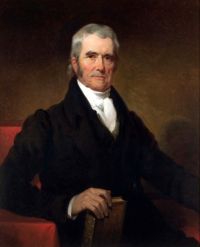
Portrait of John Marshall John Marshall,  Bank of Hamilton v. Jun — Opinion of the Court

“ The modes of proceeding which belong to courts of chancery are adapted to the execution of the law; and to the equity side of the court he may apply for relief. Sitting in chancery, it can appoint commissioners to estimate improvements as well as rents and profits, and can enjoin the execution of the judgment at law until its decree shall be complied with. If any part of the act be unconstitutional, the provisions of that part may be disregarded while full effect will be given to such as are not repugnant to the constitution of the United States or of the state or to the ordinance of 1787. ”
Source: Wikisource

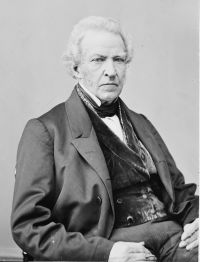
Samuel Nelson,  Powe v. Kernochen — Opinion of the Court

“ For the same reason, the arguments of a chancery court must be deemed inapplicable, except to the very case before the court; for, in equity, the decision itself may depend (and does so in this case) upon which party it is that applies for relief. A decree is not a bar even in chancery, when the position of the parties is changed. It is lawful and equitable for a party to use the means he has at law to force his adversary into a condition to oblige him to go into chancery, and thus free himself from obstructions which lie in the way of administering what is plain and substantial justice. ”
Source: Wikisource

Get perspective with Kwize: daily news enlightened by great literature